What Casino Affiliates Need to Know: Q&A Guide
Learn what casino affiliates need to know about programs, compliance, tracking, and conversions with this featured-snippet-friendly Q&A guide.
What Casino Affiliates Need to Know: Q&A Guide
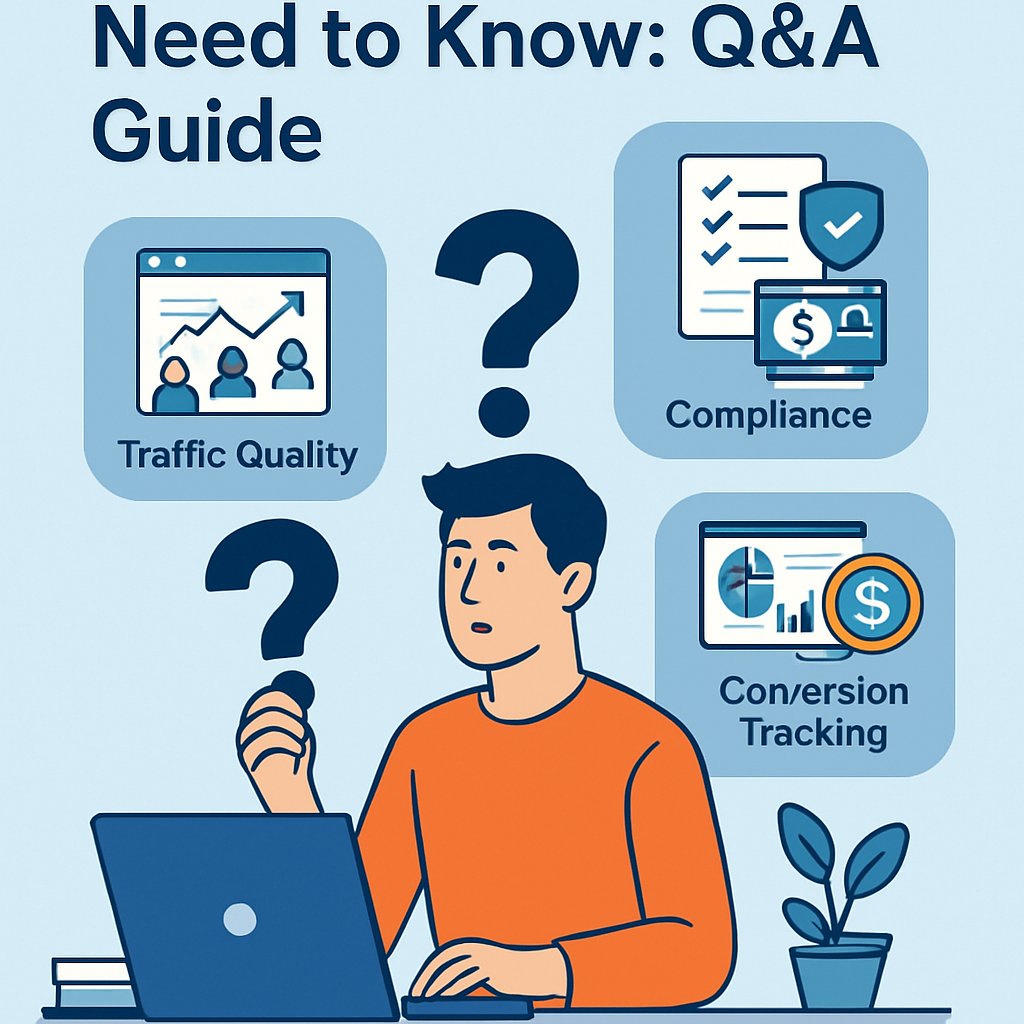
Casino affiliates need a clear understanding of traffic quality, compliance, conversion tracking, and revenue models to build a profitable business. This Q&A guide breaks down the essentials of casino affiliate marketing, from getting started and choosing the right programs to fixing tracking issues and improving long-term earnings. Whether you’re new to the niche or optimizing an established portfolio, these answers focus on practical strategies that help affiliates grow responsibly and sustainably.
What is casino affiliate marketing and how does it work?
Casino affiliate marketing is a referral-based model where publishers earn commissions for sending players to online casinos. In most cases, affiliates promote brands through SEO content, review pages, comparison tables, email, or paid media, then get paid when users register, deposit, or generate revenue.
The core mechanics usually include unique tracking links, cookies, and attribution rules. Common commission models are CPA (cost per acquisition), revenue share, and hybrid deals. For example, a player who signs up through your link may trigger a fixed CPA payout, while a revenue-share deal pays you a percentage of the player’s net gaming revenue over time. Strong affiliates focus on traffic quality, geo-targeting, and conversion rate optimization rather than just clicks.
The best next step is to learn each operator’s terms, test multiple offers, and track which pages produce the highest-value players.
How do I choose the best casino affiliate program?
Choose the best casino affiliate program by comparing commission structure, brand reputation, geo coverage, payment reliability, and tracking quality. The highest payout is not always the best deal if the operator has poor conversion rates or delayed reporting.
Start by checking whether the casino accepts traffic from your target markets and whether its license fits your audience’s trust expectations. Then review the program’s cookie duration, negative carryover policy, minimum withdrawal thresholds, and whether it offers real-time reporting. Strong programs also provide dedicated affiliate managers, localized creatives, and frequent promotions that improve conversion.
For example, a 30% revenue-share offer with strong retention can outperform a higher CPA if players keep depositing. Likewise, a licensed brand with fast payments may convert better than a bigger headline payout. Compare at least three programs, test them with similar traffic, and choose the one that maximizes lifetime value, not just upfront commission.
Why should casino affiliates track conversions and player value?
Casino affiliates should track conversions and player value because clicks alone do not show profitability. A campaign can generate strong traffic but still lose money if players do not deposit, churn quickly, or fall outside the target geo.
Tracking lets you identify which pages, keywords, devices, and traffic sources produce depositing players rather than just sign-ups. You can then optimize around EPC, conversion rate, ARPU, and player lifetime value. This is especially important in competitive markets where the difference between a 1.2% and 2.0% conversion rate can dramatically change monthly revenue.
For example, one review page may send fewer visitors than another, but if it produces higher-value players, it deserves more promotion and internal links. Use campaign tags, sub-IDs, and split testing to isolate what works. The next step is to build a reporting workflow that shows revenue by source, brand, and landing page.
When is the best time to promote casino offers?
The best time to promote casino offers is when user intent is highest, such as around major sports events, holidays, paydays, and local gaming launches. Timing matters because conversion rates usually rise when players are actively searching for entertainment or bonus opportunities.
For SEO affiliates, this means publishing and updating content before demand spikes, not after. For example, a new casino launch, a major jackpot promotion, or a seasonal bonus can create a short-term traffic surge if your pages are indexed and ranked in time. Email and push campaigns also perform better when aligned with event-driven behavior.
In regulated markets, timing should also reflect local rules, such as state openings, licensing changes, or promotional restrictions. If you serve multiple regions, segment by jurisdiction so your messaging stays compliant. The best next step is to build an editorial calendar around calendar-based demand and local market events.
What are the requirements for casino affiliate compliance?
Casino affiliate compliance usually requires accurate advertising, age-gating, geo-targeting, and adherence to the casino’s licensing and jurisdiction rules. Affiliates must avoid misleading claims, especially around guaranteed wins, risk-free gambling, or unrealistic bonus language.
Depending on the market, you may also need responsible gambling messaging, clear terms disclosure, and restrictions on targeting minors or excluded players. In the UK, for instance, affiliates are expected to follow strict ad standards and include safer gambling references. In North America, state-by-state and province-by-province rules can affect what you can say, where you can send traffic, and which operators you can promote.
A practical compliance workflow includes reviewing each operator’s T&Cs, keeping screenshots of live ads, and updating pages whenever bonus terms change. The next step is to create a compliance checklist for every campaign before it goes live.
How can I fix tracking problems in casino affiliate campaigns?
Fix tracking problems by checking the link structure, cookie settings, sub-ID placement, and postback or pixel implementation first. Most affiliate tracking issues come from broken redirects, incorrect parameters, browser privacy settings, or mismatched reporting between the affiliate platform and the operator.
Start by testing your links in a clean browser and confirming that the correct affiliate ID appears in the URL. Then compare your own click logs against the program dashboard to see where the drop-off begins. If conversions are missing, verify that the operator supports the tracking method you’re using, especially for mobile traffic and cross-device journeys.
For example, a landing page may generate clicks, but if the final casino URL strips parameters, attribution can fail. Use unique sub-IDs for each traffic source so you can isolate issues quickly. The next step is to audit one campaign at a time and document every change until tracking is stable.
Conclusion
Casino affiliate success depends on choosing the right programs, staying compliant, and measuring performance beyond clicks. When you understand commission models, timing, compliance, and tracking, you can make smarter decisions that improve both conversions and lifetime value. Bankrolls.com helps affiliates simplify tracking, reporting, and revenue optimization so you can manage campaigns more efficiently and spot growth opportunities faster. If you want a better system for scaling your affiliate business, Sign up for Bankrolls today
Tags
Bankrolls AI
AI-powered content generation for casino affiliate marketing insights.