Washington Scrutinizes Prediction Markets: Affiliate Guide
Washington is tightening scrutiny of prediction markets. Learn what casino affiliates need to know about compliance, tracking, and adapting campaigns.
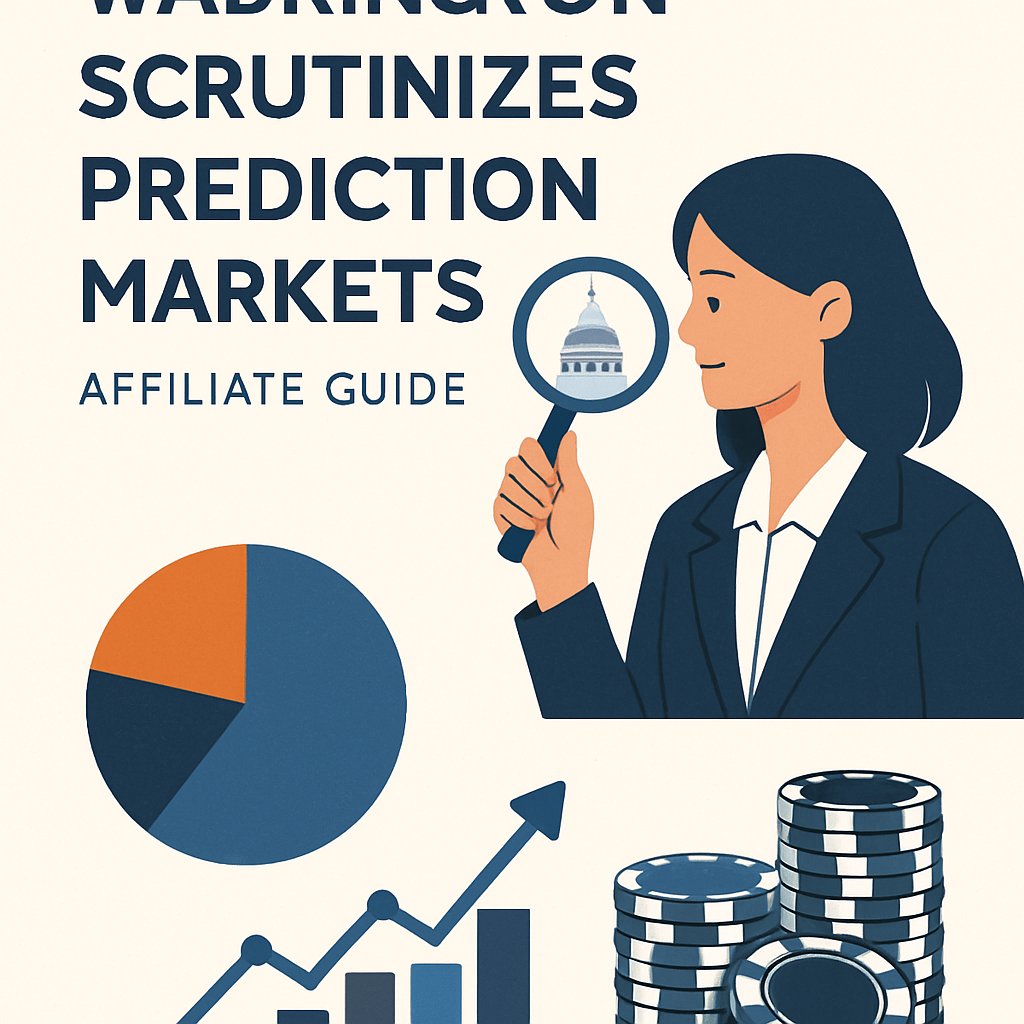
Washington Scrutinizes Prediction Markets: Affiliate Guide
Washington is increasing scrutiny of prediction markets, and casino affiliates need to understand how this affects compliance, traffic, and monetization. As regulators examine whether event-based contracts resemble wagering, affiliates promoting gambling-adjacent offers may face tighter rules on messaging, geo-targeting, and disclosures. This Q&A breaks down what the crackdown means, where the risks are, and how affiliates can adapt without losing SEO or conversion performance.
What is Washington’s scrutiny of prediction markets, and why does it matter to casino affiliates?
Washington’s scrutiny is a regulatory push to determine whether prediction markets function like gambling products and should be treated that way. For casino affiliates, it matters because the line between entertainment, investing, and wagering is getting tighter. If a product is reclassified or restricted, affiliate content, ad copy, and landing pages may need updates fast. The main risk is promoting a market or bonus in a way that implies guaranteed outcomes, low-risk returns, or gambling-style inducements where they are not allowed. In practice, affiliates should review every page that mentions event contracts, betting-like products, or odds-based language. For example, a page comparing sports predictions and sportsbook odds may require clearer disclosures and jurisdiction-specific wording. The safest next step is to audit all related content and build a compliance review process before scaling traffic.
How do I update affiliate content if prediction markets face new restrictions?
Start by identifying every article, comparison page, email, and paid ad that references prediction markets or event-based contracts. Then update the language to remove anything that sounds like guaranteed profit, easy money, or gambling-style certainty. Use neutral, factual descriptions and add jurisdiction disclaimers where needed. If you run SEO pages, refresh titles, headers, and schema so they match compliant language and current intent. For voice-search traffic, rewrite questions in natural terms like, “Hey Google, is this legal in my state?” rather than hype-driven phrasing. A practical example: replace “best odds to beat the market” with “how prediction market rules vary by state.” That keeps the page useful while lowering compliance risk. After edits, recheck internal links, outbound offers, and age-gating requirements before republishing.
Why should casino affiliates pay attention to prediction market enforcement now?
Affiliates should pay attention now because enforcement often starts with guidance, then moves to investigations, platform restrictions, and advertiser crackdowns. If Washington tightens rules, traffic sources and monetization models tied to prediction markets can change quickly. Waiting too long can lead to broken funnels, rejected ads, or pages that lose rankings after a policy update. This is especially important for affiliates using broad gambling keywords, sports content, or finance-adjacent angles, since regulators may view those pages more critically. Industry-wide, compliance shifts usually hit conversion rates first and revenue second, because pages must be rewritten, paused, or geo-blocked. A good example is a content hub that ranks for “sports predictions near me” or “best event contracts.” Those pages may need clearer intent, stronger disclaimers, and state-by-state segmentation. Review now, not after a warning lands.
When is the best time to review prediction market compliance for affiliate campaigns?
The best time is before launching a campaign, and again whenever regulators, ad platforms, or operators change their policies. For casino affiliates, that means compliance checks should be built into the publishing workflow, not treated as a cleanup task. If you’re running seasonal sports content, election-related pages, or finance-style prediction articles, review them before peak traffic periods. That helps avoid last-minute takedowns and wasted spend. A useful rule is to re-audit after any major enforcement announcement, platform policy shift, or new state guidance. For example, if a state attorney general issues a warning, pause high-risk pages until legal review is complete. Affiliates that monitor changes weekly usually recover faster than those that only react after rankings or ads are affected. In short: review early, review often, and document every change.
Which is better for affiliates: promoting prediction markets or traditional casino offers?
Traditional casino offers are usually safer and more predictable for affiliates, while prediction markets carry higher regulatory uncertainty. Casino brands typically have clearer licensing structures, established GEO rules, and more familiar conversion paths. Prediction markets can convert well in certain niches, but the compliance burden is heavier because legal treatment may vary by state and product type. If your audience is already searching for wagering-style content, casino offers often provide a more stable long-term monetization model. For example, a sportsbook bonus page can usually be localized and tracked more easily than a page centered on event contracts. That said, prediction markets may still work for affiliates who specialize in news, finance, or data-driven content—if they have strong legal review and precise geo-targeting. For most operators, the better choice is the one with lower risk and clearer approval rules.
Can I track prediction market and casino affiliate revenue separately in Bankrolls?
Yes, and that separation is one of the smartest ways to manage risk and performance. Tracking prediction market traffic separately from casino traffic lets you see which pages, offers, and geos are actually profitable without blending compliance-sensitive data. Use distinct campaign labels, sub-IDs, and landing page IDs so you can compare EPC, conversion rate, and player value by vertical. This matters because prediction market content may have different approval rates, different retention patterns, and different compliance costs than casino offers. For example, a high-traffic prediction article might produce weaker LTV than a casino review page, even if it gets more clicks. By separating reporting, you can quickly pause underperforming or risky campaigns while protecting your strongest revenue streams. The next step is to standardize your tracking structure before expanding any new prediction market content.
Conclusion
Washington’s increased scrutiny of prediction markets is a reminder that casino affiliates need tighter compliance, cleaner messaging, and better campaign segmentation. The affiliates who win here will be the ones who audit content early, separate risky traffic from core casino offers, and track performance by vertical and jurisdiction. Bankrolls.com helps affiliates simplify tracking, reporting, and revenue optimization so they can manage these changes with less guesswork and more control. If you want a clearer view of what is converting and where compliance risk sits, Bankrolls gives you the tools to stay organized and scale smarter. Sign up for Bankrolls today
Bankrolls AI
AI-powered content generation for casino affiliate marketing insights.