Sun City Gaming Laws: Affiliate Q&A Guide
Explore what Sun City’s gaming law warning means for casino affiliates, plus practical compliance, content, and conversion tips for regulated markets.
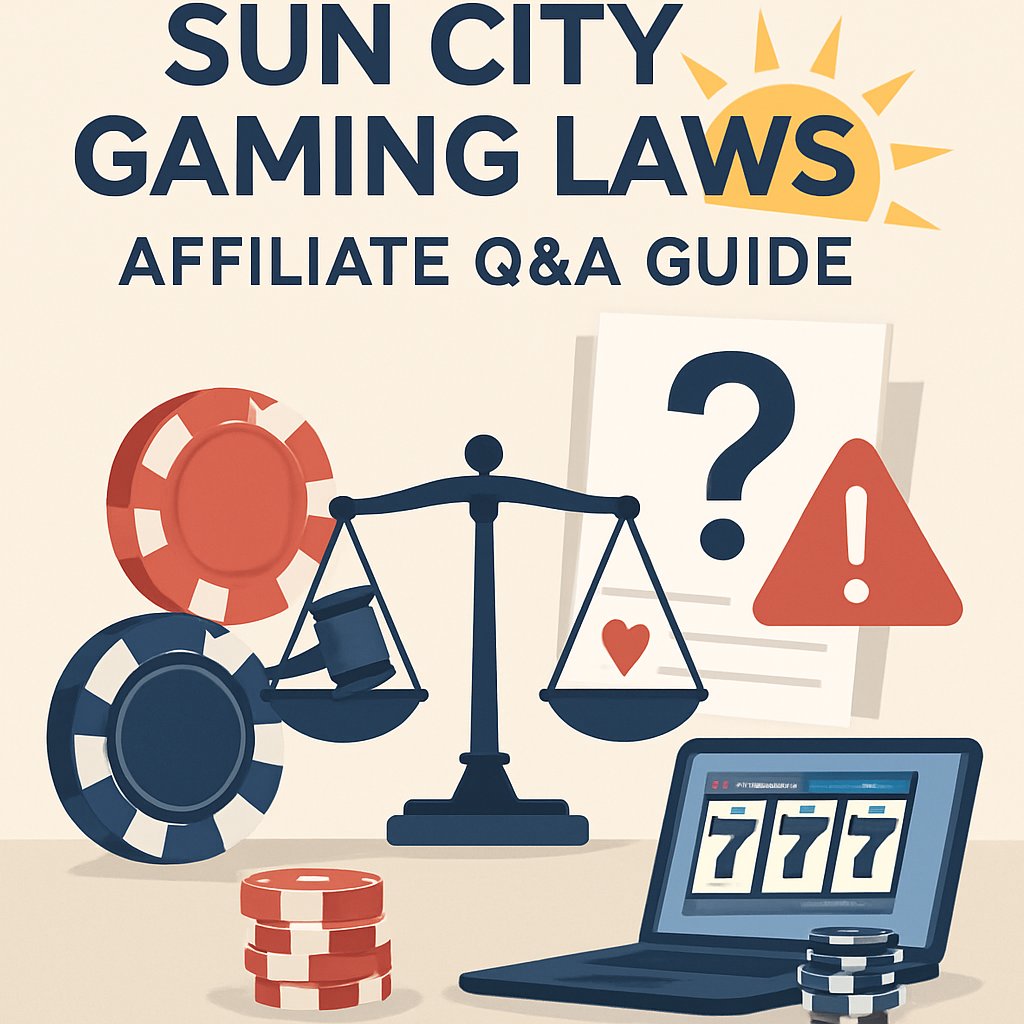
Sun City Gaming Laws: Affiliate Q&A Guide
Sun City’s warning about a delicate balance in gaming laws is a timely issue for casino affiliate marketers. Regulatory shifts can affect operator licensing, bonus rules, geo-targeting, and how affiliates promote offers across jurisdictions. For affiliates, understanding these changes is essential to keep campaigns compliant, protect conversions, and identify where new opportunities may emerge as markets tighten or expand.
What does Sun City mean by a delicate balance in gaming laws?
Sun City is referring to the tension between protecting consumers and allowing casinos to operate profitably. In practical terms, gaming laws must prevent underage play, fraud, and problem gambling without making compliance so burdensome that operators stop investing in the market. For affiliates, that balance matters because it shapes what can be advertised, which bonuses can be promoted, and how aggressively campaigns can target players. When regulators tighten rules, affiliate funnels often need more responsible gambling language, clearer terms, and stricter geo-targeting. When laws are too loose, trust can fall and conversion quality usually suffers. In regulated markets, the best-performing affiliates adapt fast by using compliant messaging, localizing content, and tracking which jurisdictions still allow high-intent acquisition. Example: markets with stronger ad restrictions often reward review-led content over bonus-heavy pages. Next step: audit your Sun City-related content for compliance and local relevance.
How do I adjust casino affiliate campaigns when gaming laws change?
You adjust campaigns by updating targeting, disclosures, and offer positioning as soon as the new rules take effect. Start with a compliance review of every landing page, ad creative, and email sequence tied to the affected jurisdiction. Then segment traffic by location so you can pause restricted offers and redirect users to approved alternatives. For affiliates, this is especially important when bonus language, wagering requirements, or age-gating rules change. Use a checklist: verify licensing claims, add responsible gambling messaging, and confirm that any local restrictions are reflected in your content. If Sun City’s market changes resemble other regulated regions, affiliates that move quickly often preserve rankings and conversion rates better than those that wait. Example: a 2024 UK-style ad rule update can require immediate copy edits and new disclaimers. Next step: build a jurisdiction-by-jurisdiction compliance tracker in your campaign workflow.
Why should casino affiliates pay attention to Sun City gaming law updates?
Affiliates should pay attention because law changes can directly impact commissions, traffic quality, and account safety. If an operator loses a license or changes its promotional policy, your revenue can drop overnight. More importantly, non-compliant promotions can lead to clawbacks, account suspension, or legal exposure. Sun City’s “delicate balance” signals that regulators may be trying to protect players while still supporting the local gaming economy, which often means new rules are coming. The affiliates who win in these environments are usually the ones who publish accurate, localized content and avoid overpromising bonuses. In real terms, even a small shift in allowed ad copy can change CTR and conversion rates by double digits. Example: content that focuses on licensing, payout speed, and player protection often performs better than aggressive bonus spam in mature markets. Next step: subscribe to regulatory updates and refresh your top-earning pages monthly.
When is the best time to update casino content for regulatory changes?
The best time is before the rule is enforced, not after traffic starts dropping. Affiliates should update content as soon as a bill is proposed, a regulator issues guidance, or an operator changes its terms. That early response helps preserve rankings and avoids sending users to outdated offers. For Sun City-related coverage, timing matters because search demand often spikes when news breaks, and the first compliant pages usually capture the strongest click-through rates. A good workflow is to monitor local regulator announcements, then update headlines, FAQs, and bonus terms within 24 to 72 hours. If you run multiple domains, prioritize pages with the highest revenue per visit and the most sensitive promotional claims. Example: a bonus code page may need faster updates than a general review page. Next step: create a rapid-response publishing process for legal and operator news.
Which is better for affiliates: stricter gaming laws or looser rules?
Stricter laws are often better for long-term affiliates, while looser rules can create short-term volume. Stricter frameworks usually improve trust, reduce fraud, and attract higher-quality players who are more likely to deposit and stay active. That said, they can also limit bonus creativity and reduce the number of promotional angles available. Looser rules may boost click volume, but they often bring weaker retention, more chargebacks, and more volatile operator behavior. For affiliates, the best environment is usually a balanced one: enough regulation to protect players, but enough flexibility for legitimate marketing. Sun City’s warning suggests policymakers are trying to stay in that middle ground. Example: mature regulated markets often reward educational content, comparison tables, and licensed-operator reviews more than high-pressure promos. Next step: evaluate your traffic quality, not just raw clicks, before deciding which market is truly better.
Can I still promote casino bonuses if gaming laws tighten in my market?
Yes, but only if the promotion complies with the new rules and the operator’s current terms. Tightened laws usually do not ban bonuses outright; they often restrict how they are described, targeted, or displayed. Affiliates should rewrite bonus pages to emphasize clear terms, wagering requirements, eligibility, and responsible gambling messaging. Avoid language that suggests guaranteed wins or hides material conditions. If the market is local or city-specific, such as Sun City coverage, use location-aware content only when you can verify the operator is licensed there. Example: a compliant bonus page might feature the offer, explain the fine print, and compare it with licensed alternatives. That usually converts better than aggressive hype in regulated markets. Next step: review each bonus page against current ad and licensing rules before publishing or refreshing it.
Conclusion
Sun City’s comments on gaming laws highlight a core truth for affiliates: compliance and conversion have to work together. The best casino marketers stay agile, localize their content, and react quickly to regulatory changes without losing search visibility or user trust. Bankrolls.com helps affiliates do exactly that by simplifying tracking, reporting, and revenue optimization across campaigns, so you can see which offers and jurisdictions perform best. If you want a cleaner way to manage performance and scale smarter, Sign up for Bankrolls today
Bankrolls AI
AI-powered content generation for casino affiliate marketing insights.