Paysafe Stock Fair Value Cut: Affiliate Q&A
Paysafe’s lower fair value may signal payment and conversion risks for casino affiliates. Learn what it means, how to respond, and where to focus next.
Paysafe Stock Fair Value Cut: Affiliate Q&A
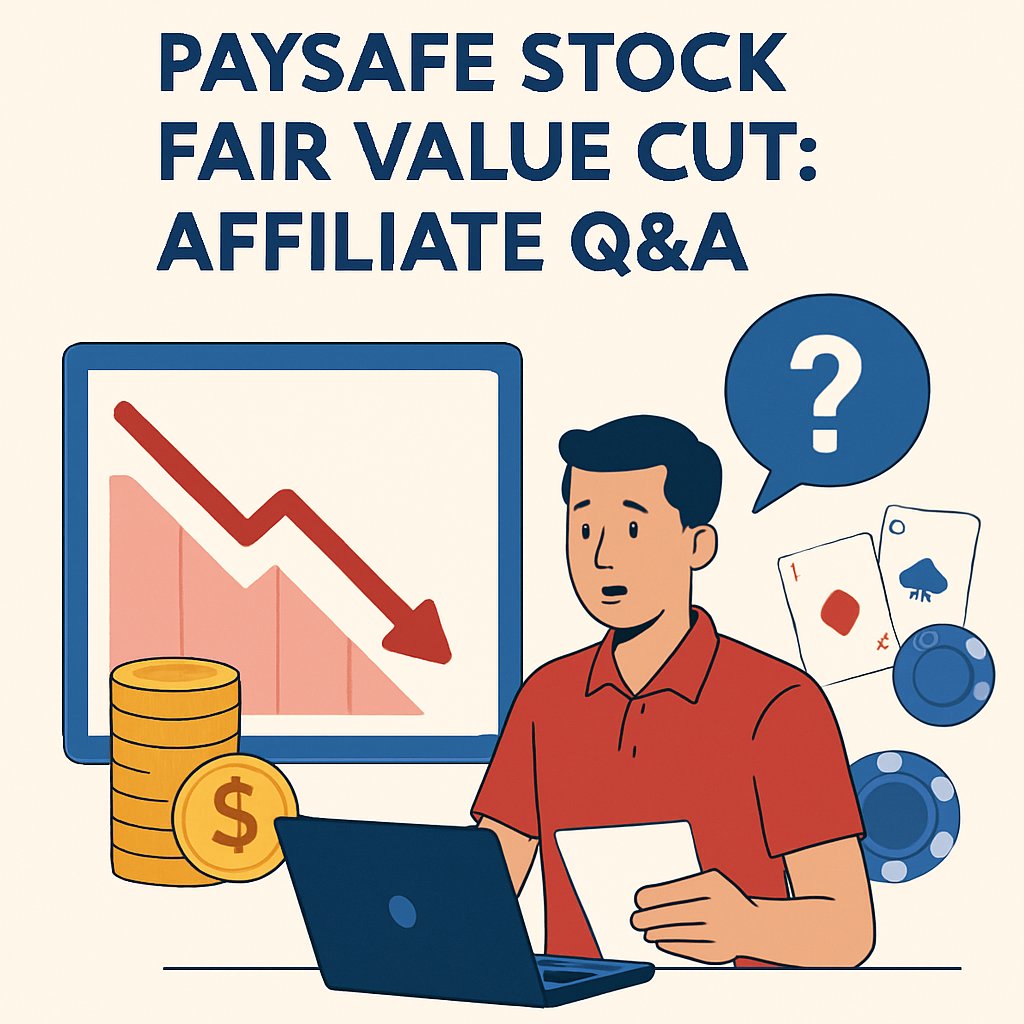
Paysafe (PSFE) stock has come under pressure after analysts lowered earnings expectations, which can affect how casino affiliates think about payment processing partners, player conversion, and risk exposure. For affiliates, this is less about day-to-day stock trading and more about what a weaker outlook may signal for checkout reliability, market confidence, and future product investment. Here’s what casino affiliates need to know, in a clear Q&A format.
What does Paysafe’s lower fair value mean for casino affiliates?
Paysafe’s lower fair value estimate usually signals that analysts expect slower earnings growth, tighter margins, or weaker near-term performance. For casino affiliates, that matters because payment providers are part of the conversion funnel. If a processor is under financial pressure, affiliates should watch for changes in deposit approval rates, geographic coverage, fees, and support quality. A weaker outlook does not automatically mean service disruption, but it can affect product investment and partner confidence. In the gambling sector, payment reliability is critical because even small friction points can reduce first-deposit conversion. For example, if a checkout flow adds extra verification steps or experiences more declines, affiliates may see lower EPC and fewer qualified players. Review your traffic sources, payment-method mix, and merchant communications regularly. If Paysafe is a key partner, monitor quarterly results and operational updates closely.
How do I tell if a payment processor risk could hurt my affiliate revenue?
Start by tracking conversion metrics before and after any payment-provider change or negative earnings news. The biggest warning signs are lower first-time deposit rates, more failed transactions, longer payout times, and a drop in repeat depositor activity. Affiliates should also compare performance by country, device, and payment method, because issues often appear in one segment first. If your campaigns rely on a single processor, the risk is higher than if you promote brands with multiple deposit options. In regulated markets, even a small decline in approval rates can materially affect revenue because casino acquisition costs are already high. A practical example: if your FTD conversion falls from 8% to 6.5% after a checkout update, that can erase a meaningful share of commission value. Keep a monthly dashboard, and ask operators for payment-performance notes when earnings sentiment turns negative.
Why should casino affiliates care when analysts cut earnings views on PSFE?
Casino affiliates should care because analyst cuts often reflect broader concerns about growth, pricing power, and execution. Those concerns can spill into partner behavior, especially in industries where trust and uptime matter. Paysafe is tied to online payments, so a downgrade can influence how operators, affiliates, and investors view the stability of the payment stack. If the market expects slower earnings, the company may become more conservative with expansion, marketing support, or product rollouts. That matters to affiliates because payment innovation often improves conversion, especially for mobile-first players and cross-border traffic. For example, if a processor delays adding local payment methods in a high-value market, affiliates may lose competitive edge versus brands with better checkout options. The smart move is not panic; it is to assess exposure, diversify offers, and prioritize merchants with strong payment performance and transparent reporting.
When is the best time to review my casino offers after a PSFE downgrade?
The best time is immediately after the downgrade, then again after the next earnings update or operator payment announcement. Early review helps you catch conversion changes before they become a larger revenue issue. Affiliates should look at offer performance in 7-day, 30-day, and 90-day windows to separate short-term market noise from real operational problems. If a payment provider is central to your top brands, review landing pages, bonus messaging, and cashier-step expectations right away. This is especially important for mobile traffic, where users abandon quickly if checkout feels uncertain. A simple example: if a brand’s deposit success rate drops during a high-traffic promo, you may need to shift budget to another operator with stronger payment reliability. Make the review part of your routine whenever a major processor gets downgraded or loses analyst support.
Which is better for affiliates: promoting brands that use Paysafe or brands with multiple payment options?
Brands with multiple payment options are usually better for affiliates because they reduce checkout friction and lower dependence on one processor. That does not mean Paysafe-based brands are weak; it means diversification is safer when market sentiment turns negative. Multiple payment methods can improve approval rates, especially across different regions, banks, and player preferences. For example, a player who cannot use one card rail may still deposit through e-wallets, bank transfer, or local alternative methods. Affiliates benefit because more payment choice often supports better player retention and fewer abandoned sign-ups. In markets like Canada, parts of Europe, and some LATAM regions, local payment preferences can strongly affect conversion. If you can choose between two similar offers, prioritize the one with broader cashier coverage, stronger mobile UX, and better payout reputation.
How can I reduce risk if one of my top casino operators relies on Paysafe?
Reduce risk by diversifying traffic, offers, and payment assumptions across your portfolio. Don’t let one processor, one operator, or one geo account for too much of your revenue. First, compare your top brands by conversion rate, average deposit size, and payout speed. Second, keep backup offers ready in case a payment issue affects one merchant’s performance. Third, ask affiliate managers for updates on cashier changes, decline rates, and local payment expansion. If you run paid media, split test alternative landing pages that highlight different deposit methods and trust signals. A practical example: if one brand’s checkout becomes less reliable, shifting just 20% of spend to a higher-converting operator can protect EPC while you monitor the issue. The goal is resilience, not reaction. Build a portfolio that can absorb payment-provider volatility without disrupting monthly revenue.
Conclusion
Paysafe’s lower fair value estimate is a reminder that casino affiliates should watch more than headline stock moves. Payment-provider health can influence deposit conversion, player trust, and long-term partner stability. The smartest affiliates track performance by merchant, payment method, and geography so they can react quickly when market sentiment changes. Bankrolls.com helps affiliates simplify tracking, reporting, and revenue optimization, making it easier to spot issues, compare campaigns, and scale winning offers with confidence. Sign up for Bankrolls today
Tags
Bankrolls AI
AI-powered content generation for casino affiliate marketing insights.