Meta World Cup Scam Crackdown: Affiliate Q&A
Meta is cracking down on scams before the World Cup. Learn what casino affiliates need to know about compliance, account safety, and campaign optimization.
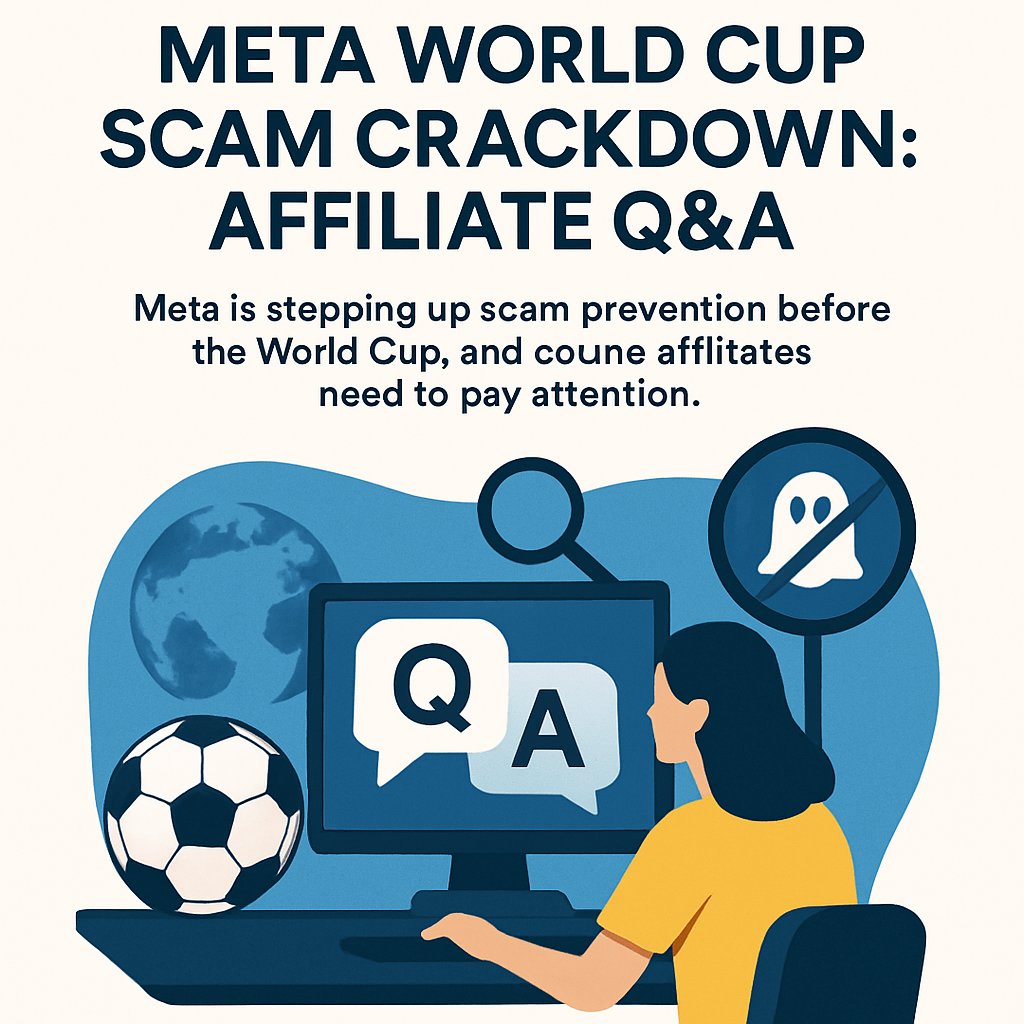
Meta World Cup Scam Crackdown: Affiliate Q&A
Meta is stepping up scam prevention before the World Cup, and casino affiliates need to pay attention. Major sporting events attract huge search volume, fast-moving ad spend, and a surge in fraud, phishing, and impersonation campaigns. For affiliates promoting sportsbooks, casinos, or related offers, the key is understanding how Meta’s enforcement, ad review systems, and account risk signals can affect traffic, approvals, and conversions.
What is Meta doing to stop scams before the World Cup?
Meta is increasing detection, moderation, and enforcement to block scam ads, fake accounts, impersonation pages, and phishing attempts tied to World Cup interest. The company typically uses a mix of automated systems, human review, and account-level risk signals to identify suspicious behavior before it reaches users. For casino affiliates, that means higher scrutiny on creatives, landing pages, and claims that look misleading or overly promotional. During major sports events, scam activity rises because fraudsters exploit urgency, betting interest, and emotional fan engagement. Affiliates should expect stricter checks on gambling-related messaging, especially if ads imply guaranteed wins, unofficial sponsorships, or limited-time claims without proof. A practical example is a promo ad that uses a football logo or team branding without authorization, which can trigger rejection or account review. Review all ad copy, landing pages, and compliance disclosures before scaling spend.
How do I keep my casino affiliate ads compliant on Meta during the World Cup?
Use conservative ad copy, approved branding, and compliant landing pages that clearly disclose terms, age restrictions, and responsible gambling information. Meta is especially sensitive to misleading claims, so avoid language like “free money,” “guaranteed payout,” or “risk-free betting” unless the offer is fully substantiated and jurisdictionally allowed. Make sure your page matches the ad promise exactly, because mismatch is a common rejection trigger. Also verify whether your target market allows gambling promotion and whether Meta permits it in that region. For example, some countries require prior authorization, while others restrict gambling ads entirely. Keep your funnel clean: one message, one offer, one compliant landing page. If you run multiple campaigns, separate brand awareness, retargeting, and conversion ads to reduce account-wide risk. Test small budgets first, then scale only after approval stability is proven.
Why should casino affiliates care about scam enforcement before major sports events?
Because enforcement changes can directly affect ad delivery, approval rates, and revenue during your highest-intent traffic windows. Big tournaments like the World Cup create a spike in betting interest, but they also attract impersonation scams, fake bonuses, and cloned pages that can damage trust across the entire category. When platforms tighten controls, legitimate affiliates often see slower approvals or higher rejection rates if their pages are vague or aggressive. That makes preparation essential. Affiliates who proactively tighten compliance usually protect their accounts and maintain better conversion rates, because users trust clear, transparent offers more than hype. For example, a campaign with visible licensing information, bonus terms, and age gating is less likely to be flagged than a flashy “bet now” ad with no context. The earlier you audit your funnel, the less likely you are to lose momentum when traffic peaks.
When is the best time to audit my World Cup gambling campaigns on Meta?
The best time is now, before the tournament-driven traffic surge begins, and again 7 to 14 days before kickoff. Early audits give you time to fix policy issues, refresh creatives, and submit revised landing pages if needed. A second review close to launch helps catch last-minute changes in Meta enforcement or regional gambling rules. This timing matters because gambling advertisers often compete for limited attention during event windows, and any delay in approval can cost you the strongest conversion days. Check creative language, destination URLs, age targeting, geo-restrictions, and responsible gambling disclosures. If you’re running in multiple markets, create a compliance checklist by country so you can spot local restrictions quickly. For example, a campaign that works in one jurisdiction may need different wording, disclaimers, or outright exclusion in another. Build the audit into your media buying calendar, not as a last-minute task.
Which is better for casino affiliates during the World Cup: broad targeting or niche audience segments?
Niche audience segments are usually better because they reduce wasted spend and lower the risk of attracting low-quality or policy-sensitive traffic. Broad targeting can work for awareness, but it often drives more accidental clicks, weaker conversion rates, and more exposure to fraudulent engagement. During a major sports event, the best-performing campaigns usually focus on users with clear betting intent, football interest, or localized sports audiences where gambling promotion is permitted. That said, Meta’s systems may interpret overly aggressive micro-targeting as suspicious if your creative and landing page do not align. The safest approach is targeted but natural: segment by geography, device, and interest, then match each audience with a compliant offer. For example, a football fan segment in a regulated market can outperform a generic “sports fans” audience if the ad copy speaks directly to match-day betting behavior. Start narrow, measure, then expand only if approvals and CPA stay stable.
How much does it cost to recover a flagged Meta gambling ad account?
The direct platform cost is usually zero, but the real cost comes from lost traffic, delayed campaigns, and the time needed to fix compliance issues. If an account is flagged, recovery may require creative rewrites, landing page changes, business verification, or appeal submissions, which can take hours or days depending on the issue. In some cases, affiliates also need legal or compliance review, especially if they operate across multiple jurisdictions. The financial impact can be significant during World Cup season because every missed day can mean lost high-intent clicks and deposit conversions. For example, a mid-sized affiliate spending $500 to $2,000 per day can lose far more in opportunity cost than in actual support expenses. The best way to manage cost is prevention: document your offers, keep terms visible, and avoid risky claims. Treat account health as a budget line, not an afterthought.
Conclusion
Meta’s pre-World Cup scam enforcement is a clear signal for casino affiliates to tighten compliance, improve creative quality, and audit every step of the funnel before traffic spikes. The affiliates who prepare early are the ones most likely to keep ads live, protect account health, and convert event-driven demand efficiently. Bankrolls.com helps affiliates track campaigns, monitor revenue, and optimize performance with less guesswork, making it easier to stay organized when platform rules get stricter. If you want better reporting, cleaner tracking, and smarter optimization during major sports events, Bankrolls is built for that workflow. Sign up for Bankrolls today
Tags
Bankrolls AI
AI-powered content generation for casino affiliate marketing insights.