Protect Kids from Online Gambling: Affiliate Q&A Guide
Learn how to protect kids from online gambling with parental controls, age gates, and responsible affiliate practices that reduce risk and improve compliance.
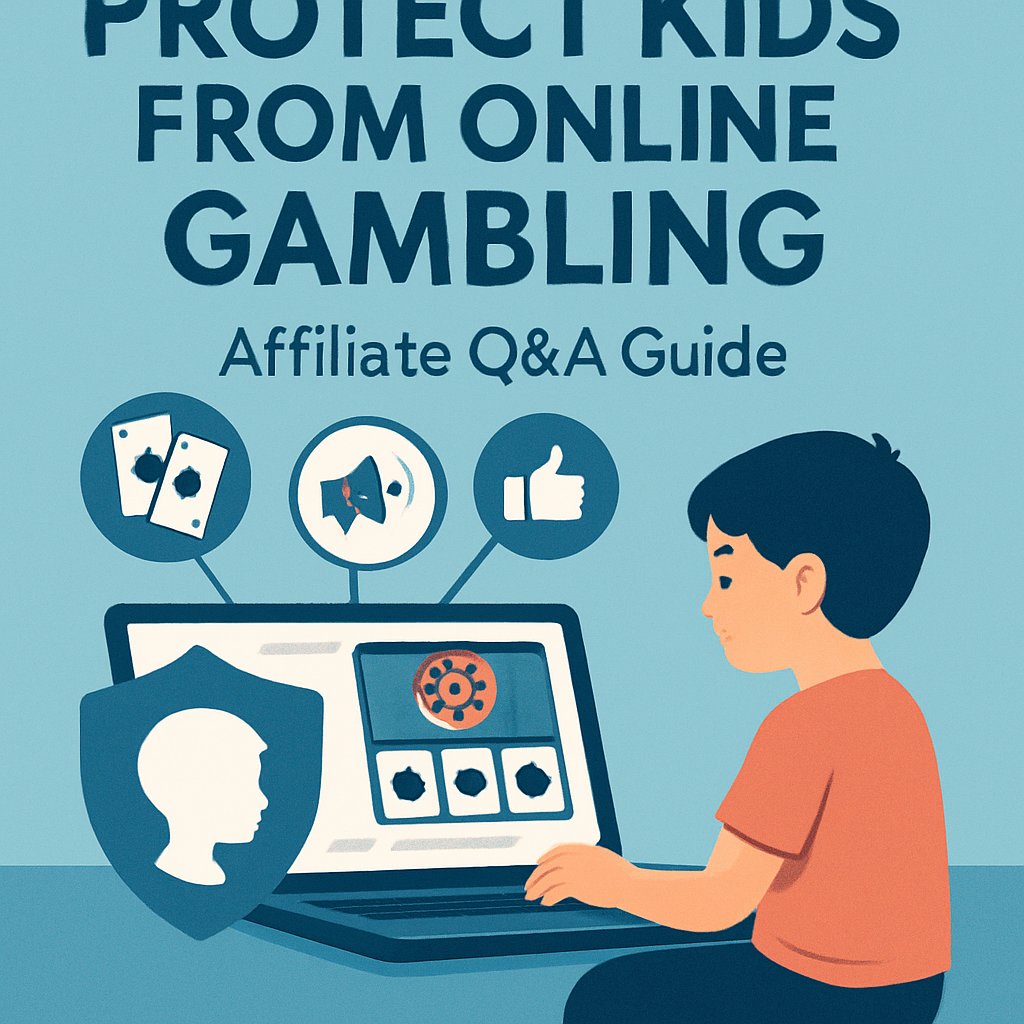
Protect Kids from Online Gambling: Affiliate Q&A Guide
Protecting kids from online gambling starts with understanding how access, ads, and social media exposure can normalize betting behavior. For casino affiliate marketers, this topic matters because responsible content, age-gating, and compliance help protect audiences while reducing brand risk. Below, we answer the most common questions about keeping minors away from gambling sites, apps, and promotions.
What is the best way to protect kids from online gambling?
The best way to protect kids from online gambling is to combine device controls, account restrictions, and clear family rules. Start by using parental controls on phones, tablets, consoles, and home Wi‑Fi to block gambling sites and age-restricted apps. Then turn on platform-level safety settings on app stores, social media, and streaming services so gambling ads and influencer content are limited. Explain why gambling is for adults only, and keep payment cards, passwords, and verification codes out of reach. For affiliate marketers, this also means avoiding youth-oriented creatives, cartoon-style branding, or placements on underage-heavy channels. In practice, families that use layered controls are far more likely to reduce accidental exposure than those relying on one filter alone. Review settings monthly, because kids often find new apps faster than parents expect. If you’re publishing gambling content, prioritize age gates, responsible gambling messaging, and strict audience targeting.
How do I block gambling sites and apps on my child’s devices?
You block gambling sites and apps by using a layered setup across the device, browser, and network. On iPhone and Android, enable built-in parental controls, restrict app installs by age rating, and require approval for downloads. In browsers, turn on SafeSearch and install a reputable content filter that blocks gambling domains and betting keywords. On your home router or DNS service, add gambling categories to the block list so every device on the network is covered. For example, many families use router-level filtering plus Screen Time or Family Link for backup protection. If your child uses a shared device, create a separate child profile with no payment methods saved. For affiliates, this is a reminder to keep links behind compliant age checks and avoid sending traffic from child-directed placements. Recheck settings after updates, because operating systems sometimes reset permissions or add new exceptions.
Why should parents and affiliates care about gambling ads on social media?
Parents and affiliates should care because social media is one of the fastest ways minors are exposed to gambling normalization. Ads, creator sponsorships, bonus-code posts, and short-form videos can make betting look harmless or trendy, especially when the content is mixed with sports, gaming, or meme culture. Research across digital safety studies consistently shows that repeated exposure increases familiarity, which can lower perceived risk over time. For affiliate marketers, poor targeting can also trigger compliance issues, ad account restrictions, and brand damage. A safer approach is to use age-restricted placements, exclude under-18 audiences, and avoid creative that resembles youth entertainment. Parents should talk openly about manipulative ad tactics, like “free bets,” urgency timers, and loss-chasing language. A practical example: if a teen follows football clips on TikTok or Instagram, betting promos can appear alongside highlight reels unless filters and privacy settings are tightened.
When is the best time to talk to kids about online gambling risks?
The best time is before they encounter gambling content, not after. Start the conversation as soon as children begin using devices, watching sports, or playing games with chat features and in-app purchases. Early, age-appropriate discussions work better than one big warning later, because kids are more likely to ask questions when the topic is introduced calmly. Explain the difference between entertainment and gambling, and show how ads, streamers, and bonus offers can be designed to influence behavior. For older teens, discuss odds, house edge, and why “easy money” claims are misleading. A useful rule is to revisit the topic whenever a child gets a new phone, starts following sports creators, or begins using gaming platforms with social feeds. For affiliates, this timing matters too: responsible gambling messages should appear before conversion points, not buried in fine print. That improves trust and supports compliance.
Which parental control tools are better for preventing gambling exposure?
The best parental control tools are the ones that combine content filtering, app approval, and web history alerts. For most families, a router-based filter plus a device-level control app is stronger than either tool alone. Router filters block gambling traffic across the whole home, while device tools help manage downloads, screen time, and age ratings on individual phones and tablets. If your child uses multiple devices, choose a system that syncs across iOS, Android, Windows, and gaming consoles. Look for features like category blocking, safe browsing, time limits, and activity reports. For example, a parent can block betting sites at the DNS level and still get notified if a child tries to install a sportsbook app. Affiliates should note that compliance technology matters on the publisher side too: geo-restrictions, age verification, and audience exclusions reduce regulatory risk and improve campaign quality.
How can casino affiliates promote responsibly without targeting minors?
Casino affiliates can promote responsibly by building strict audience controls, using compliant messaging, and avoiding any creative likely to appeal to children. Set age gates on landing pages, exclude under-18 audiences in ad platforms, and use placements on adult-focused sports, finance, or gaming sites rather than youth-heavy social feeds. Keep visuals realistic: no cartoon graphics, school themes, or language that suggests gambling is a shortcut to success. Include responsible gambling disclosures, local licensing information, and clear terms for bonuses. A strong example is separating content into adult sports betting guides and general entertainment pages, then suppressing gambling offers from underage traffic segments. Use analytics to monitor bounce rates, geo mix, and device patterns that may signal poor audience fit. This approach protects minors, reduces compliance risk, and usually improves conversion quality because the traffic is more relevant and intentional.
Conclusion
Protecting kids from online gambling requires layered safeguards: parental controls, age checks, honest conversations, and careful content targeting. For casino affiliate marketers, it also means building compliant campaigns that avoid youth exposure and support responsible gambling standards. Bankrolls.com helps affiliates track performance, monitor revenue, and optimize campaigns without losing sight of compliance and audience quality. With better reporting and simpler management, you can focus on sustainable growth while keeping your business organized and accountable. Sign up for Bankrolls today
Tags
Bankrolls AI
AI-powered content generation for casino affiliate marketing insights.