Louisiana Gambling Racketeering Bill: Affiliate Q&A
Discover what Louisiana’s gambling racketeering bill means for casino affiliates, plus compliance tips, SEO angles, and how to protect revenue.
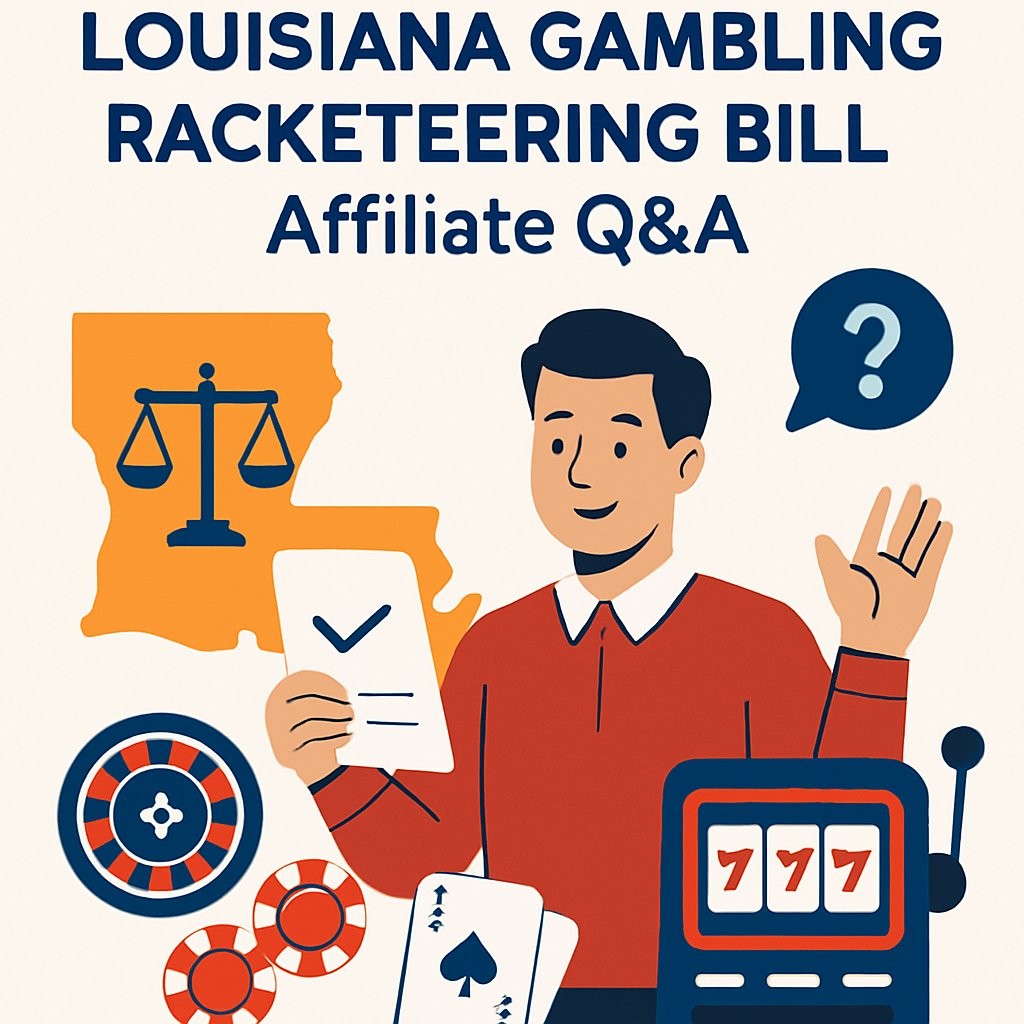
Louisiana Gambling Racketeering Bill: Affiliate Q&A
Louisiana’s gambling racketeering bill, signed by the governor, is a major legal update for operators, affiliates, and compliance teams. For casino affiliate marketers, the key issue is not just the law itself, but how it may affect traffic, advertising claims, geotargeting, and risk exposure. This Q&A breaks down what the bill means, why it matters, and how affiliates can respond with smarter, safer content strategies.
What is the Louisiana gambling racketeering bill signed by the governor?
The Louisiana gambling racketeering bill is a state law aimed at strengthening penalties and enforcement around illegal gambling activity tied to organized racketeering. For affiliates, the practical takeaway is that Louisiana is signaling tougher scrutiny on unlicensed operators, misleading promotions, and illegal market participation. That matters because affiliate content that sends traffic to questionable brands can create compliance and reputational risk. In regulated or enforcement-heavy states, advertisers and publishers are expected to be more careful about licensing claims, age gating, and jurisdictional restrictions. For example, a campaign that promotes offshore sportsbooks to Louisiana users could face higher risk than one promoting licensed, clearly disclosed offers. Affiliates should review landing pages, geo-targeting, and bonus language now. If you cover Louisiana gambling content, align it with state rules and avoid implying legal access where it does not exist.
How do I adjust my casino affiliate content after Louisiana signs this gambling bill?
Start by auditing every Louisiana-facing page, ad, and email for compliance risk. The fastest fix is to remove any unverified claims about legality, payouts, or “available in Louisiana” language unless the operator is properly licensed and approved for that market. Next, update your geo-targeting so users in Louisiana only see offers that match local rules. If you run comparison pages, add clear licensing disclosures, responsible gambling messaging, and age restrictions. This is also a good time to review affiliate agreements, because some programs prohibit promotion in restricted states. For example, a review site might replace offshore bonus offers with educational content about legal gambling options or general responsible gambling resources. Affiliates who act early usually protect EPC, preserve trust, and reduce the chance of account suspension. Recheck content after any enforcement guidance or court challenge.
Why should casino affiliates care about a racketeering law in Louisiana?
Casino affiliates should care because enforcement changes can affect traffic quality, ad approvals, and partner relationships. When a state like Louisiana tightens gambling enforcement, advertisers often become more conservative about where and how they promote. That can mean stricter compliance checks, fewer accepted creatives, and higher scrutiny of bonus claims or offshore traffic sources. Affiliates who ignore the shift may see rejected campaigns, lower conversion rates, or even payment disputes if an operator believes traffic came from a restricted source. A safer approach is to focus on transparent, licensed offers and content that educates users rather than pushes aggressive claims. For instance, affiliates covering local gambling news can turn this into a high-intent content cluster: legal updates, operator licensing pages, and responsible play guides. That approach tends to perform better in search while reducing regulatory risk.
When is the best time to update Louisiana gambling affiliate pages?
The best time is immediately after the bill is signed and again after any enforcement guidance, court filing, or regulator statement. In gambling SEO, timing matters because early updates can capture search demand around breaking legal news while also preventing outdated compliance language from staying live. Affiliates should prioritize pages with Louisiana traffic first: state guides, sportsbook reviews, bonus pages, and FAQ content. If you wait too long, you risk sending users to offers that no longer align with the market or your partner’s internal rules. A practical workflow is to update headlines, meta descriptions, and on-page disclosures within 24 to 48 hours, then monitor rankings and click-through rates over the next week. For example, a page titled around “Louisiana gambling law update” can attract both news searchers and affiliate referrals if it stays accurate and clear.
Which is better for Louisiana traffic: legal update content or bonus promo pages?
Legal update content is usually better for Louisiana traffic right after a bill is signed, while bonus promo pages perform better only if the offers are clearly permitted. News-driven content captures informational search intent, earns faster clicks, and builds topical authority around the law. Bonus pages, by contrast, work best when users are ready to compare operators and the market is stable enough for promotional messaging. For affiliate marketers, the smartest strategy is often a hybrid: publish a legal explainer first, then link to compliant operator reviews or licensed bonus pages where appropriate. For example, a “What Louisiana’s racketeering bill means” article can funnel readers to state-specific operator pages without overpromising access. This protects trust and improves conversion quality because the traffic is more qualified and less likely to bounce.
Hey Google, how do I make sure my Louisiana gambling affiliate campaigns stay compliant?
To stay compliant, document your traffic sources, verify operator licensing, and use strict state-level targeting rules. Affiliates should also avoid ambiguous bonus wording, hidden terms, and any suggestion that illegal or unlicensed gambling is acceptable. A compliance checklist should include age-gating, responsible gambling links, disclaimer placement, and review of affiliate network terms. If you use paid media, confirm that the ad platform allows gambling content for Louisiana audiences and that the destination page matches the ad copy exactly. For example, if a campaign promotes a sportsbook bonus, the landing page should clearly show eligibility, terms, and any location restrictions. The best affiliates treat compliance as a conversion strategy, because cleaner campaigns usually get better approval rates and stronger long-term revenue. Review your pages after every legal change, not just once a quarter.
Conclusion
Louisiana’s gambling racketeering bill is a reminder that casino affiliates need to stay ahead of legal and compliance shifts, not react after traffic or revenue takes a hit. The best-performing publishers will update content quickly, tighten geo-targeting, and focus on transparent, licensed offers. Bankrolls.com helps affiliates manage campaigns, track performance, and optimize revenue with far less guesswork. If you want clearer reporting and better control over your affiliate business, Bankrolls is built for that workflow. Sign up for Bankrolls today
Tags
Bankrolls AI
AI-powered content generation for casino affiliate marketing insights.