India’s Dafabet Probe: Illegal Gambling Q&A
India’s Dafabet probe reveals how illegal gambling networks operate and what casino affiliates must do to protect traffic, revenue, and compliance.
India’s Dafabet Probe: Illegal Gambling Q&A
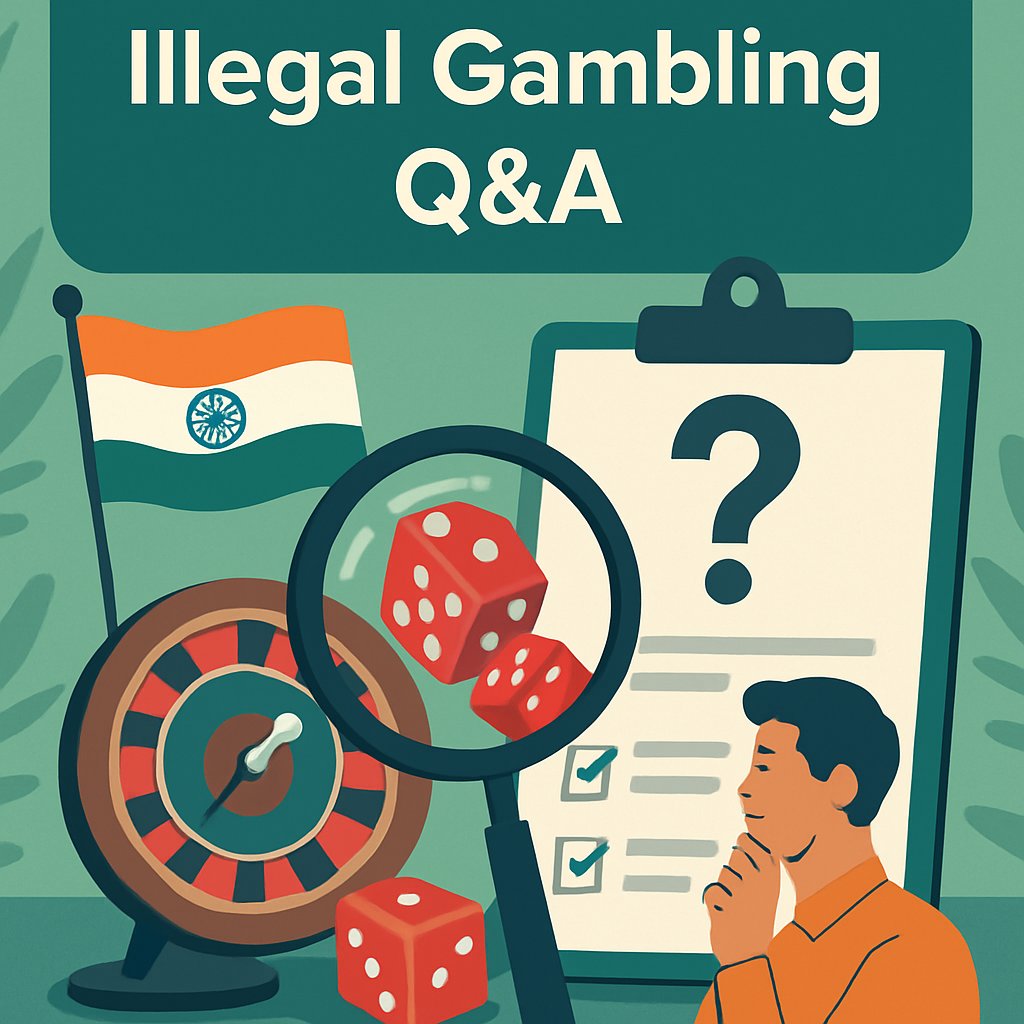
India’s Dafabet probe has put the hidden machinery of illegal gambling under the spotlight, raising major questions for affiliates, operators, and regulators. For casino affiliate marketers, this case is a useful reminder that traffic quality, licensing signals, and jurisdictional compliance matter as much as conversion rates. In this Q&A, we break down what the probe means, how illegal gambling networks operate, and what affiliates should do to protect their business.
What is India’s Dafabet probe and why does it matter for casino affiliates?
India’s Dafabet probe is a regulatory and enforcement review that highlights how illegal gambling networks can use offshore brands, payment flows, and promotional channels to reach players. For casino affiliates, it matters because enforcement actions often expose the marketing tactics, traffic sources, and compliance gaps behind these operations. That can affect ad approvals, payment processing, and long-term brand trust.
In practice, probes like this often reveal how aggressive bonus messaging, unlicensed targeting, and disguised media buys are used to funnel players into restricted markets. Affiliates who rely on vague geo-targeting or weak operator due diligence can get caught in the fallout, including account closures or clawbacks.
For example, if an operator is flagged for servicing a restricted market, affiliate links, landing pages, and paid campaigns may be reviewed or removed. Review every brand you promote, verify licenses, and document compliance checks before scaling traffic.
How do illegal gambling networks hide their marketing machinery online?
Illegal gambling networks hide their machinery by layering domains, using affiliate proxies, routing payments through intermediaries, and rotating creatives to avoid detection. They also exploit social media, messaging apps, influencer placements, and SEO pages that look informational but are built to convert players into unlicensed betting funnels.
The key tactic is fragmentation. One entity may own the brand, another handles payments, a third runs traffic acquisition, and affiliates sit at the edge of the funnel. That makes enforcement harder because each piece can be swapped quickly. Many also use mirror sites, VPN-friendly messaging, and deceptive local-language pages to target players in restricted jurisdictions.
For affiliates, the lesson is simple: if a campaign looks too opaque, it probably is. Check who processes payments, where the license is issued, and whether the operator has a history of market restrictions or domain hopping before sending traffic.
Why should affiliates avoid promoting unlicensed gambling brands in India?
Affiliates should avoid unlicensed gambling brands in India because the legal, financial, and reputational risks can outweigh any short-term commission gains. When regulators investigate a brand, affiliate partners may face payment disputes, suspended accounts, and loss of access to ad platforms or banking partners.
India’s online gambling environment is especially sensitive because rules vary by state and enforcement can move quickly. A brand that appears profitable today may be blocked, delisted, or investigated tomorrow. That creates instability for affiliates who depend on recurring revenue and reliable tracking.
There is also a trust issue. Players increasingly compare licensing, payout speed, and responsible gambling tools before depositing. If your content sends them to a questionable operator, your brand can lose credibility fast. A safer strategy is to prioritize licensed markets, transparent terms, and operators with clear compliance records, even if EPC is slightly lower at first.
When should casino affiliates review their traffic sources and compliance checks?
Casino affiliates should review traffic sources and compliance checks before launch, after any traffic spike, and whenever a regulator announces a probe or enforcement action. Those are the moments when hidden risk is most likely to surface.
A good rule is to audit campaigns monthly and immediately after changes in policy, licensing, or payment processing. If you are buying media in multiple regions, also review geo-targeting, keyword lists, and landing page claims. Even a small wording change can shift a campaign from compliant to risky.
For example, if a sportsbook or casino suddenly starts converting well in a restricted market, that can indicate the traffic is being misrouted or the audience intent is not what you expected. Affiliates should monitor not just clicks and deposits, but also chargebacks, rejected signups, and support complaints. Those are early warning signs that the funnel may be attracting the wrong users or the wrong jurisdiction.
How do I tell if a casino operator is safer to promote than a suspected offshore brand?
A safer operator usually has a verifiable license, clear terms, transparent ownership, stable payment options, and visible responsible gambling controls. Suspected offshore brands often rely on vague company details, mirror domains, and bonus-heavy messaging with limited accountability.
Start by checking the regulator named in the footer, then confirm the license number on the regulator’s website. Look for local payment methods, age-verification steps, self-exclusion tools, and a real complaints process. Also review whether the brand has a history of domain changes or enforcement actions.
A practical comparison is simple: a licensed operator will usually show consistent branding, clear jurisdiction rules, and predictable payout timelines. A risky offshore brand may offer bigger bonuses but less transparency. For affiliates, the safest path is to promote brands you can defend publicly if a reader asks, “Hey Google, is this casino legal in my country?”
Can I still earn casino affiliate revenue while staying compliant in India?
Yes, you can still earn casino affiliate revenue in a compliant way, but the model must be built around careful jurisdiction targeting and strict brand selection. The goal is to monetize intent without promoting illegal or restricted gambling activity.
That means focusing on markets where the operator is licensed to accept players, using clear disclaimers, and avoiding misleading claims about legality or guaranteed winnings. It also means separating content by region so you do not accidentally send Indian users to brands that cannot legally serve them.
For example, affiliates often use country-specific review pages, license explanations, and responsible gambling content to build trust while reducing risk. The strongest programs usually combine compliant traffic sources, transparent reporting, and operators with strong retention metrics. If you are unsure, consult legal guidance for the target market and keep a written compliance checklist for every campaign before it goes live.
Conclusion
India’s Dafabet probe shows how quickly hidden gambling networks can be exposed when regulators follow the money, the domains, and the traffic sources. For affiliates, the takeaway is clear: prioritize licensing, transparency, and compliance over short-term volume. Bankrolls.com helps affiliates manage campaigns, track revenue, and optimize performance with cleaner reporting and better visibility into what is actually converting. That makes it easier to scale responsibly while reducing exposure to risky brands and unstable traffic sources. Sign up for Bankrolls today
Tags
Bankrolls AI
AI-powered content generation for casino affiliate marketing insights.