Gaming Lobby vs Prediction Markets: Q&A
Learn why the gaming lobby is targeting prediction markets, what it means for casino affiliates, and how to monetize coverage safely and strategically.
Gaming Lobby vs Prediction Markets: Q&A
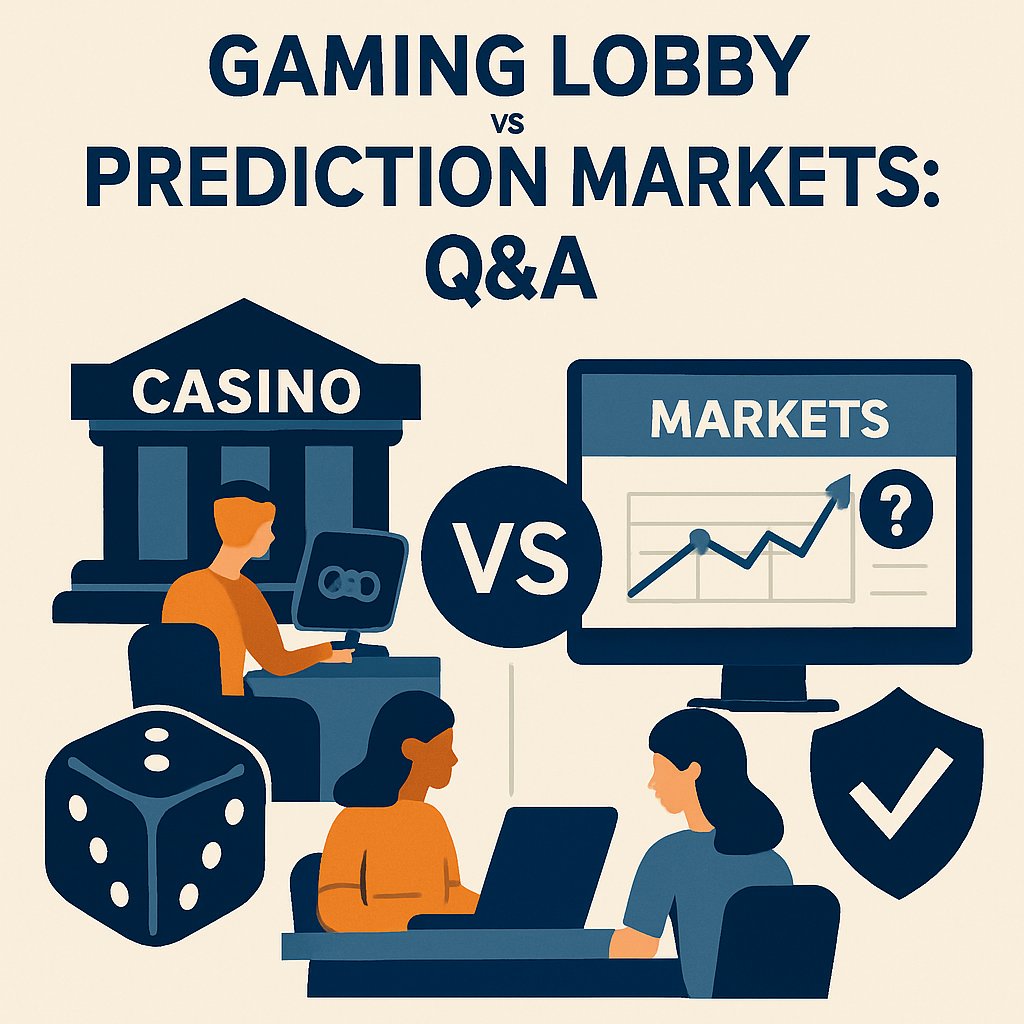
The gaming lobby’s war on prediction markets is reshaping how affiliates, operators, and regulators think about wagering, market access, and compliance. For casino affiliate marketers, this fight matters because prediction markets blur the line between betting, finance, and information products, creating both risk and opportunity. Understanding the policy battle helps affiliates spot traffic trends, avoid compliance mistakes, and position content around legal, high-intent search demand.
What is the gaming lobby’s war on prediction markets?
The gaming lobby’s war on prediction markets is a coordinated effort by traditional gambling interests to restrict or reclassify event-based trading platforms. In simple terms, legacy operators and trade groups argue that prediction markets resemble unlicensed sports betting or gaming and should face the same rules, taxes, and limits. The goal is often to protect existing casino and sportsbook revenue while preventing new entrants from competing under lighter regulatory frameworks. For affiliates, this matters because search demand rises whenever regulators, courts, or lawmakers debate these products. Content that explains the difference between gambling, derivatives, and peer-to-peer forecasting can capture high-intent traffic. For example, U.S. legal disputes around election markets and sports-event contracts have repeatedly driven spikes in news searches and comparison queries. Focus on neutral, compliance-first coverage and avoid making legal claims without jurisdiction-specific verification.
How do casino affiliates cover prediction market news without creating compliance risk?
Casino affiliates should cover prediction market news with a strict editorial and legal-review process. Start by separating factual reporting from promotional language, and avoid implying that a product is legal everywhere or suitable for gambling traffic by default. Use jurisdiction labels, cite official filings or regulator statements, and add clear responsible gambling and age-gating language when content overlaps with wagering. The safest approach is to frame prediction markets as a policy and consumer-interest topic, not a direct casino offer, unless your compliance team has approved the angle. This protects SEO value while reducing the chance of misleading users or violating ad rules. In practice, affiliates can publish explainers, market-watch articles, and comparison pieces that focus on regulation, taxation, and platform mechanics. A good rule: if the article could be read as betting advice, it needs a compliance pass before publication.
Why should affiliates pay attention to the prediction markets debate?
Affiliates should pay attention because regulatory fights create traffic, intent, and monetization opportunities. When the gaming lobby pushes against prediction markets, journalists, traders, and bettors search for definitions, legality updates, and platform comparisons. That creates a window for affiliate content to rank for long-tail queries before mainstream media saturates the topic. It also helps affiliates understand where future competition may come from: if prediction markets gain wider acceptance, they can pull some users away from traditional sportsbooks and casino products. For marketers, the best angle is informational authority. Publish explainers on how event contracts work, what regulators say, and which states or countries are most restrictive. For example, election-market controversies and sports-contract enforcement actions often generate sustained search interest for weeks, not days. That makes them valuable evergreen-plus-news topics for affiliate sites with strong topical authority.
When is the best time to publish content about gaming lobby attacks on prediction markets?
The best time is immediately after a regulator, court, or trade group makes a public move, then again when the story reaches mainstream distribution. Early publishing captures the initial spike in search interest, while follow-up updates can win featured snippets and PAA placements as the story evolves. For affiliates, timing matters more than polish in the first 24 to 72 hours, especially on breaking policy topics. You should also refresh the article when hearings, comment periods, or enforcement deadlines are announced, because those dates often trigger secondary search waves. A practical content calendar includes a fast news post, a deeper explainer, and a jurisdiction-specific update. That three-layer approach lets you serve both casual readers and high-intent users looking for legal status or platform access. If you wait until the issue is settled, you usually miss the highest-value traffic window.
Which is better for affiliates: covering prediction markets or traditional casino news?
Traditional casino news is usually safer for conversion, but prediction markets can be better for early-stage SEO and authority building. Casino news typically converts more directly because users already understand the products and are closer to deposit intent. Prediction market coverage, however, can attract broader audiences searching for legal status, definitions, and policy updates, which is useful for building topical relevance and backlinks. The strongest strategy is not choosing one over the other, but using prediction markets as a complementary content pillar. For example, a site focused on sportsbooks can publish a prediction-market explainer, then link to regulated betting guides in the same jurisdiction. That creates a content cluster that supports internal linking and keeps users on-site longer. If your goal is immediate revenue, casino offers usually win. If your goal is market positioning, prediction market coverage can be a smart long-game play.
Can I monetize prediction market content as a casino affiliate?
Yes, but only if you structure the content carefully and stay within your program and jurisdiction rules. Prediction market articles can monetize through display ads, contextual links, newsletter signups, or approved operator referrals where permitted. The key is relevance: if the content is purely about regulation or policy, pushing a casino bonus too aggressively usually hurts trust and conversion. Instead, use soft monetization with related resources, such as guides to legal betting, market updates, or responsible gambling information. Some affiliates also build lead capture around news alerts and then segment users into sportsbook, casino, or policy-interest funnels. That works best when you have strong tracking and attribution. Realistically, the highest value comes from pairing topical authority with compliant offers, not from forcing a casino CTA into every prediction-market article. Always review ad policies and local gambling laws before monetizing.
Conclusion
The gaming lobby’s fight against prediction markets is more than a policy headline; it is a signal that regulation, search demand, and affiliate opportunity are all shifting at once. Casino affiliates who track these changes can publish faster, rank for emerging queries, and stay compliant while building authority. Bankrolls.com helps affiliates simplify tracking, reporting, and revenue optimization so you can see which content angles perform best and scale them with confidence. Sign up for Bankrolls today
Bankrolls AI
AI-powered content generation for casino affiliate marketing insights.