D. Todd Christofferson on Gambling: Key Q&A
Explore what D. Todd Christofferson’s anti-gambling message means for casino affiliates, plus practical compliance and tracking tips.
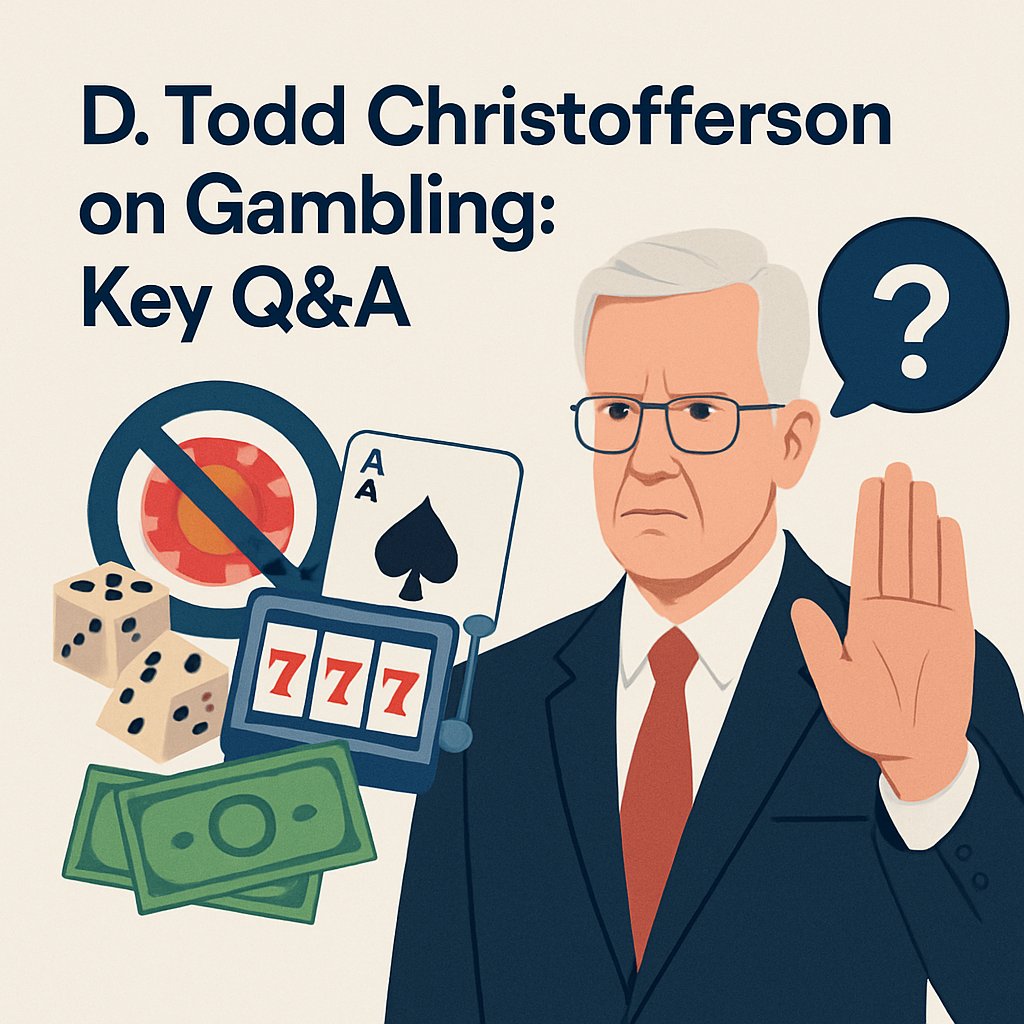
D. Todd Christofferson on Gambling: Key Q&A
LDS leader D. Todd Christofferson has spoken strongly against gambling, urging members to stop betting and avoid the financial and spiritual harms it can create. For casino affiliate marketers, this message matters because it can affect audience sentiment, content framing, and compliance positioning. Below is a practical Q&A guide that explains the issue, the implications for gambling-related marketing, and how affiliates can respond responsibly while protecting trust and conversions.
What is D. Todd Christofferson’s message about gambling?
He is urging Latter-day Saints to reject gambling in all forms and stop betting altogether. Christofferson’s core message is that gambling can damage families, weaken self-control, and normalize risk-taking for money. For casino affiliate marketers, the key takeaway is not just the moral position, but the audience impact: faith-based readers may respond negatively to gambling promotions if the content feels insensitive or exploitative. That means affiliates should avoid sensational language and instead use clear, compliant messaging. In practice, this is a reminder to segment audiences carefully and consider whether gambling content belongs on pages that may attract religious or family-oriented traffic. For example, a page targeting Utah or heavily LDS communities should be handled with extra caution. Action item: review your content categories and exclude gambling promos from sensitive audiences.
How do casino affiliates respond to anti-gambling religious messaging?
The best response is to stay factual, respectful, and audience-aware. Affiliates should not argue with religious leaders or mock faith-based concerns; instead, they should separate informational content from promotional content and avoid targeting groups likely to object to gambling. This matters because trust and compliance are major conversion drivers in affiliate marketing. If your traffic includes broad U.S. audiences, use neutral education pages that explain odds, responsible gambling tools, and legal age requirements rather than aggressive bonus pushes. For example, content about bankroll management or self-exclusion resources can perform well without being overtly promotional. Voice-search users may ask, “Hey Google, is gambling allowed in my state?” so local legality pages can also help. Action item: audit your tone, ad placements, and geo-targeting to reduce reputational risk.
Why should affiliate marketers pay attention to LDS gambling warnings?
Because public warnings from respected faith leaders can shift sentiment, reduce click-through rates, and increase brand sensitivity around gambling offers. When a well-known LDS leader condemns betting, that message can influence not only church members but also nearby communities and family networks. Affiliates who ignore that context risk publishing content that feels tone-deaf or predatory, which can hurt long-term traffic quality. A smarter approach is to use this as a cue to strengthen compliance and responsible gambling messaging. For example, pages can highlight deposit limits, cooling-off tools, and licensing information instead of focusing only on bonuses. Industry-wise, affiliates that balance promotion with trust tend to retain users longer and see better lifetime value. Action item: add responsible gambling disclosures and review your top landing pages for sensitivity.
When is the best time to remove gambling offers from sensitive content?
Immediately, if the page is clearly reaching a faith-based, family-first, or otherwise gambling-averse audience. The safest time to remove offers is before the content goes live, but existing pages should be updated as soon as you identify a mismatch in audience intent. This is especially important for affiliates running SEO traffic, because search queries can surface pages in unexpected contexts. If a page ranks for local or community-related terms, even a small gambling CTA can create backlash. A practical example is a page about religious news, local events, or community leadership: those pages should not carry casino banners or bonus links. Instead, use internal links to safer informational content or remove monetization entirely. Action item: set a quarterly content review schedule and flag pages with potentially sensitive audiences.
Which is better for affiliates: promoting bonuses or promoting responsible gambling tools?
For long-term trust, responsible gambling tools are often better; for short-term clicks, bonuses usually convert faster. The right choice depends on the audience and the page intent. Bonus offers can drive immediate action, but they also attract low-intent traffic and can create compliance risk if overused. Responsible gambling content, on the other hand, builds credibility and helps with regulatory alignment, especially in markets where advertising standards are tightening. For example, a comparison page can mention welcome bonuses alongside deposit limits, self-exclusion, and age verification requirements. That combination is more defensible and often performs better with cautious users. Affiliates should not treat these as mutually exclusive; the strongest pages do both. Action item: test a balanced layout with one primary offer and one trust-building compliance section.
How can Bankrolls.com help affiliates track content around controversial gambling topics?
Bankrolls.com helps affiliates monitor performance, compare campaigns, and identify which pages convert without creating unnecessary risk. When a topic like gambling criticism from a religious leader enters the conversation, affiliates need cleaner reporting to see whether traffic drops, click behavior changes, or specific geos underperform. Bankrolls simplifies tracking and revenue optimization by centralizing reporting, making it easier to isolate pages, offers, and traffic sources that need adjustment. For example, you can compare a bonus-heavy landing page against a responsible-gambling article and see which one attracts better-quality traffic. That makes it easier to make data-driven decisions instead of guessing. It also helps affiliates stay organized when managing multiple campaigns across different jurisdictions. Action item: use performance data to separate high-risk pages from stable evergreen content.
Conclusion
D. Todd Christofferson’s anti-gambling message is a reminder that casino affiliates must think beyond clicks and bonuses. Audience sensitivity, compliance, and responsible gambling messaging all affect performance and brand trust. For affiliates, the smartest move is to segment traffic carefully, remove gambling offers from sensitive pages, and track which content drives sustainable revenue. Bankrolls.com helps by simplifying tracking, reporting, and revenue optimization so you can manage campaigns with more clarity and less guesswork. Sign up for Bankrolls today
Tags
Bankrolls AI
AI-powered content generation for casino affiliate marketing insights.