Burnley Shirt Sponsor Fallout: Casino Affiliate Q&A
Burnley’s sponsor fallout reveals key lessons for casino affiliates on compliance, trust, campaign updates, and revenue protection during brand disputes.
Burnley Shirt Sponsor Fallout: Casino Affiliate Q&A
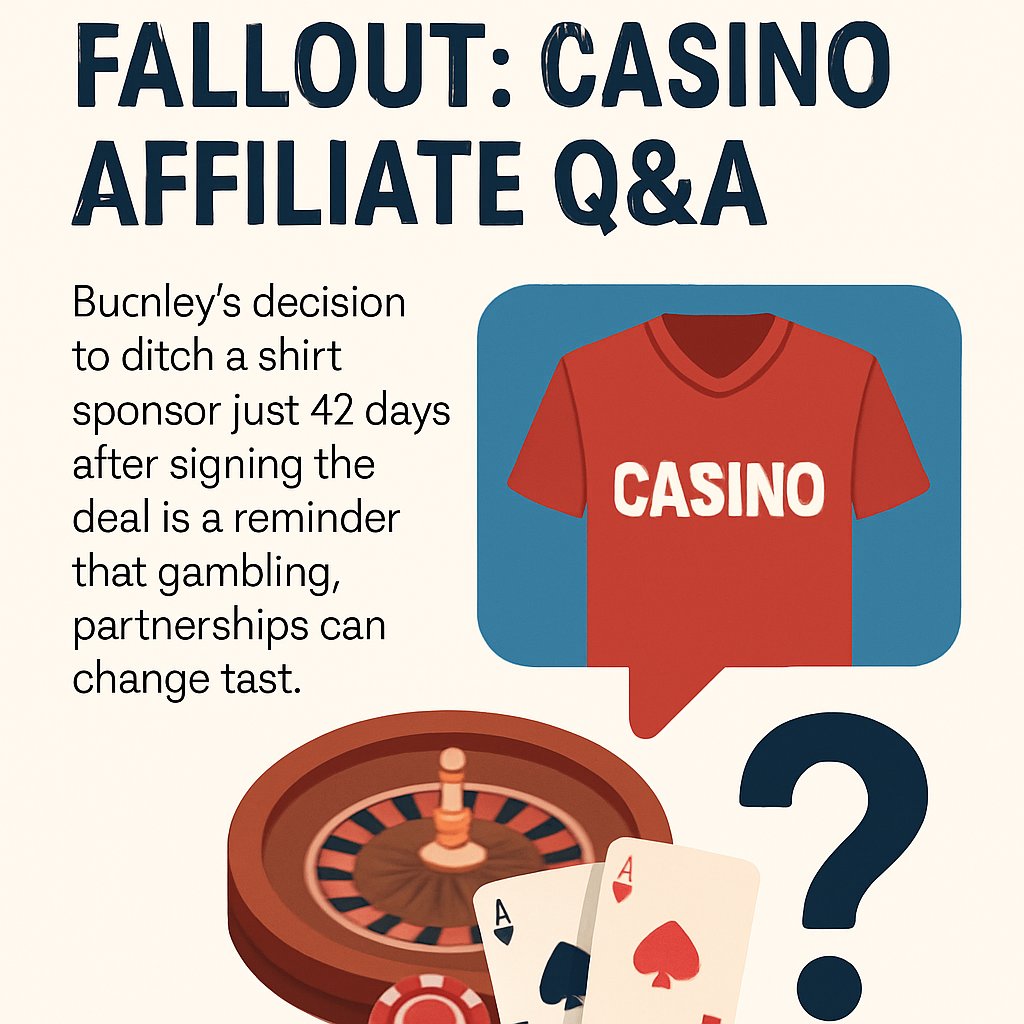
Burnley’s decision to ditch a shirt sponsor just 42 days after signing the deal is a reminder that gambling partnerships can change fast. For casino affiliates, the story highlights reputational risk, refund obligations, and the importance of compliance-first promotion. Whether you work with sportsbook brands, casino offers, or local gambling campaigns, understanding how sponsor disputes affect traffic, conversions, and trust can help you avoid costly mistakes and protect revenue.
What does Burnley dropping a shirt sponsor after 42 days mean for casino affiliates?
It means gambling partnerships can unravel quickly, and affiliates must be ready for sudden offer changes. In practical terms, a sponsor exit can trigger landing page updates, paused campaigns, refund messaging, and compliance reviews. For affiliates, the key risk is promoting a brand that loses visibility, credibility, or even its right to advertise in certain markets. That can hurt conversion rates and create player confusion if bonus terms or brand names change mid-campaign.
This is especially relevant in regulated markets where sponsorships are tied to licensing, responsible gambling standards, and advertising approvals. A short-lived deal often signals internal pressure, fan backlash, or legal sensitivity. Affiliates should monitor brand sentiment, not just EPC and CPA rates.
Example: if a football shirt sponsor is withdrawn, search demand can spike briefly, but users may hesitate to deposit with a brand under scrutiny. Review your creatives, pause outdated promos, and update tracking links immediately.
How do I protect affiliate campaigns when a gambling sponsor deal gets cancelled?
You protect campaigns by building flexibility into every promotion and keeping a fast update process. Start with modular creatives, centralized link management, and a pre-approved backup offer list. If a sponsor deal is cancelled, you can swap banners, revise copy, and redirect traffic without losing momentum. Affiliates should also keep a compliance checklist for each market so they can quickly confirm whether the replacement brand is allowed in the same jurisdiction.
The most important step is monitoring. Track brand news, social sentiment, and operator announcements daily during major sports sponsorship cycles. If a deal appears unstable, reduce spend on brand-specific campaigns and shift budget toward evergreen intent terms like “best casino bonus” or “fast payout casino.”
Example: a football shirt sponsor dispute can affect UK search behavior within hours. Update your terms, remove outdated team imagery, and send a short notice to partners or media buyers if you control multiple placements.
Why should casino affiliates pay attention to refund offers after a sponsorship dispute?
Because refund offers signal reputational pressure, and reputational pressure affects conversion quality. When fans are offered refunds for sponsored merchandise or tickets, it usually means the operator or club is trying to reduce backlash. For affiliates, that matters because player trust is a major conversion driver. If users see a brand in the middle of a controversy, they may click less, deposit less, or churn faster after sign-up.
Refunds can also indicate a brand is reworking commercial terms, which may lead to promo pauses or tighter compliance language. Affiliates should avoid overpromising during these periods. Stick to factual bonus terms, clear wagering requirements, and responsible gambling messaging.
Example: if a sponsor refund story trends on social media, branded search traffic may rise but intent quality often drops. Use this as a cue to test generic casino keywords, compare alternative operators, and shift emphasis to trust signals like licensing, payout speed, and support availability.
When is the best time to pause or update a casino sponsorship campaign?
The best time is immediately after any sign of contract instability, negative press, or regulatory concern. Waiting even 24 to 48 hours can leave outdated creatives live, which increases compliance risk and wastes ad spend. If a sponsor deal is under review, paused, or publicly disputed, affiliates should update campaign assets before the next traffic spike—especially around match days, press releases, or social media chatter.
A good rule is to review campaigns whenever there is a material change in brand status: ownership changes, licensing issues, refund announcements, or sports governing body objections. This is particularly important for local search campaigns and geo-targeted offers where users expect the brand to be active and legitimate.
Example: if a sponsor is removed from a shirt but your ads still show the old logo, you may create confusion and lower CTR. Pause the campaign, replace the asset, and relaunch only after verifying the new offer terms and tracking links.
Which is better for affiliates: betting on shirt sponsorships or evergreen casino content?
Evergreen casino content is usually better for long-term stability, while shirt sponsorships can deliver short-term spikes. Sponsorship-led traffic often rises fast when a club announces a deal, but it can drop just as quickly if the partnership ends or gets criticized. Evergreen content—such as bonus guides, payment method pages, and local casino reviews—tends to rank longer, convert more consistently, and survive brand drama.
For most affiliates, the smartest approach is a hybrid model. Use sponsorship news for timely content and social engagement, then funnel users into durable pages that answer high-intent searches. That way, you capture trend traffic without depending on a single deal.
Example: a sponsored club story may generate clicks for a week, but a page targeting “best online casino payment methods” can produce traffic for months. Prioritize content that matches user intent, licensing requirements, and deposit preferences in your target market.
How can Bankrolls.com help affiliates manage sponsor-related revenue changes?
Bankrolls.com helps affiliates track performance, spot revenue swings, and optimize campaigns when sponsor deals change. If a gambling brand loses a sponsorship, your clicks, conversions, and earnings can shift quickly. Bankrolls gives you a clearer view of which offers are still performing, which placements need updating, and where you may be losing revenue due to outdated links or weak creatives.
This matters because sponsor news can create sudden volatility across multiple traffic sources. With centralized reporting, affiliates can compare campaign results by brand, page, geo, and device, then move budget toward the strongest opportunities. That reduces wasted spend and makes it easier to react fast when a sponsorship story breaks.
Example: if one casino brand underperforms after negative press, you can identify the drop early and replace it with a better-converting offer. Use Bankrolls to simplify tracking, reporting, and revenue optimization across your portfolio.
Conclusion
Burnley’s sponsor reversal shows why casino affiliates need to treat gambling partnerships as dynamic, not permanent. Brand disputes can affect trust, traffic quality, compliance, and conversions in a matter of days. The best affiliates respond with flexible creatives, fast link updates, and evergreen content that keeps earning even when sponsorship news changes. Bankrolls.com helps you stay ahead with clearer tracking, reporting, and revenue optimization, so you can protect profit and scale smarter across campaigns. Sign up for Bankrolls today
Tags
Bankrolls AI
AI-powered content generation for casino affiliate marketing insights.