Betting Apps Know You Better Than You Think
Betting apps track location, behavior, and device data. Learn what they know, why it matters, and how affiliates can use privacy-focused content to build trust.
Betting Apps Know You Better Than You Think
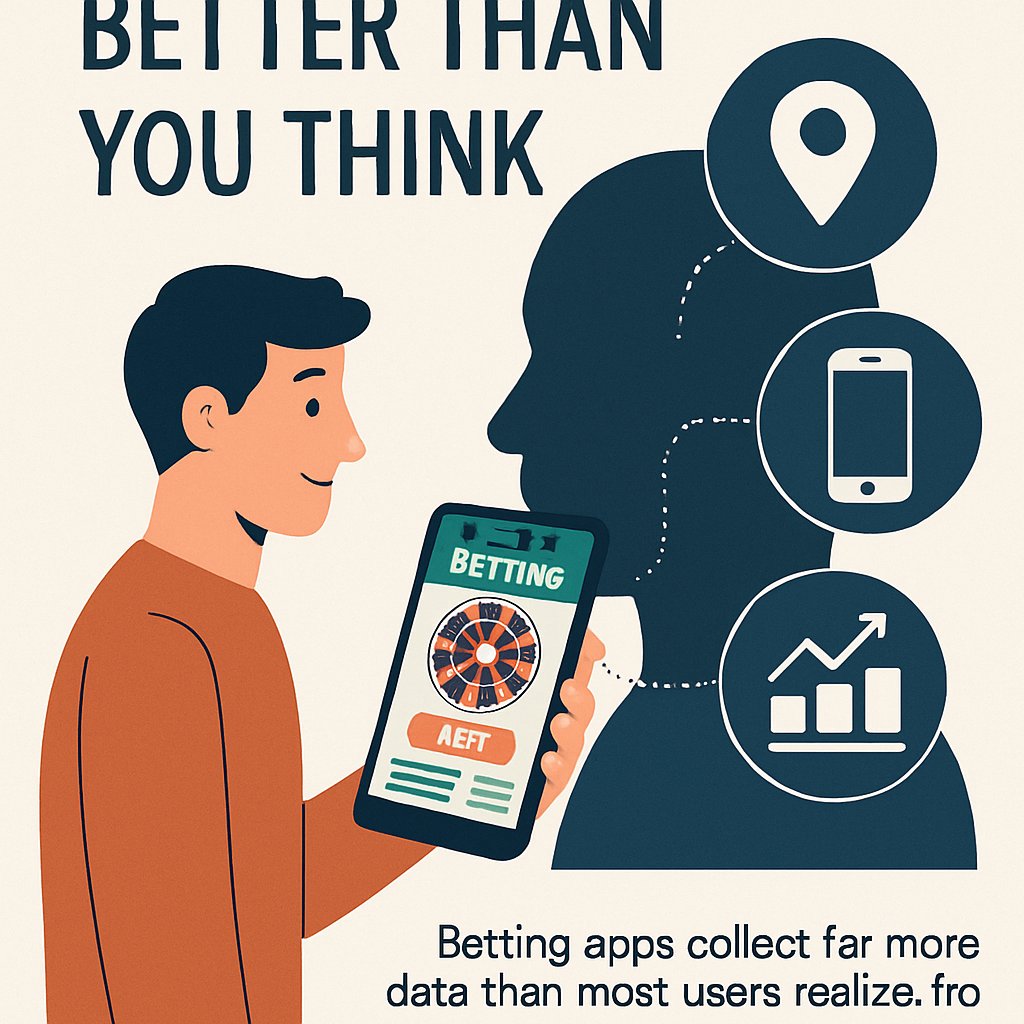
Betting apps collect far more data than most users realize, from location and device details to betting patterns and payment behavior. For casino affiliate marketers, understanding how betting apps know more about you than you might think is essential for creating compliant content, improving conversion rates, and building trust with readers. This Q&A breaks down the key data points, privacy risks, and practical implications for affiliates.
What is the biggest way betting apps know more about you than you might think?
The biggest factor is behavioral tracking: betting apps learn your habits from every tap, bet, deposit, and session. Most apps combine this with device identifiers, geolocation, and account data to build a detailed profile of your likely spend, risk tolerance, and preferred markets. That means they can predict when you’re most active, which offers you’re likeliest to click, and even what betting style you prefer. For casino affiliates, this matters because app personalization influences conversion rates and retention. If a user sees tailored boosts, same-game parlays, or slot promos, they’re more likely to deposit. In practice, operators use analytics dashboards and third-party tools to segment users by value and engagement, which is why two players can see very different offers. Review privacy policies, cookie disclosures, and app permissions before promoting any platform.
How do betting apps collect location and device data?
Betting apps collect location and device data through permissions, IP checks, GPS signals, and mobile advertising identifiers. When a user installs an app, it may request access to location services, Bluetooth, notifications, and tracking permissions. Even if GPS is limited, the app can still estimate location using IP address, Wi-Fi networks, and cell tower data. Device fingerprints often include operating system, screen size, language, time zone, and browser/app version. This helps operators detect fraud, enforce jurisdiction rules, and personalize offers. For affiliates, this is important because state-by-state or country-based eligibility can affect landing pages, bonus messaging, and compliance. Example: a player in New Jersey may see different sportsbook promotions than someone in Ontario. The best practice is to recommend licensed apps that clearly explain data use and geo-restrictions in plain language.
Why should casino affiliates care about betting app data collection?
Casino affiliates should care because data collection directly affects trust, conversion, and compliance. Apps that use strong personalization can convert better, but they can also create privacy concerns if users feel over-monitored or misled. Affiliates who explain data practices clearly tend to build stronger long-term audiences and lower churn. From a compliance standpoint, privacy laws and ad-platform policies increasingly require transparent disclosures about tracking, consent, and targeted marketing. That means affiliate content should avoid vague claims and instead explain what data is collected, why it matters, and how players can manage permissions. For example, a comparison page can highlight whether an app offers two-factor authentication, privacy controls, and opt-out settings. This kind of content performs well in search because it answers practical user concerns while staying useful and compliant.
When is the best time to review a betting app’s privacy settings?
The best time is before signup, immediately after installation, and anytime the app changes its terms or permissions. Reviewing privacy settings early helps users understand what they’re sharing and lets affiliates recommend safer, more transparent platforms. After installation, users should check permissions for location, contacts, notifications, and ad tracking, then disable anything unnecessary. It’s also smart to revisit settings after major app updates, because operators sometimes add new analytics or marketing tools. For affiliates, this is a strong content angle: publish step-by-step guides that show readers how to manage permissions on iPhone and Android. Example: many users don’t realize push notifications can reveal engagement habits, such as when they’re most likely to deposit. The takeaway is simple—privacy checks should be part of the onboarding process, not an afterthought.
Can I stop betting apps from tracking me completely?
No, you usually cannot stop all tracking completely, but you can reduce it significantly. Betting apps need some data to function, especially for age verification, fraud prevention, and location compliance. However, users can limit ad tracking, deny unnecessary permissions, use privacy-focused browsers, and manage notification settings. On iOS, App Tracking Transparency can reduce cross-app marketing; on Android, users can reset advertising IDs and restrict permissions. Some jurisdictions also require explicit consent before certain data uses. For affiliates, this is useful because privacy-conscious users respond well to honest explanations rather than exaggerated promises. A practical example is comparing apps that offer clear consent screens versus those that bury settings in menus. Encourage readers to choose licensed operators with transparent policies and visible account controls.
Which betting app features are better for privacy-conscious players?
Apps with transparent privacy dashboards, clear consent controls, and minimal permission requests are better for privacy-conscious players. Look for features like granular notification settings, easy opt-out options, two-factor authentication, and straightforward data retention policies. A strong privacy policy should explain what data is collected, how long it’s stored, and whether it’s shared with third parties. Licensed apps in regulated markets often have stricter compliance standards than offshore operators, which can make them a safer recommendation for affiliates. Example: a sportsbook that lets users control marketing emails and location permissions in one place is usually more user-friendly than one that hides settings. When reviewing apps, compare not just bonuses and odds, but also transparency, account security, and jurisdiction-specific safeguards. That angle can improve both SEO and reader trust.
Conclusion
Betting apps know more about users than many realize, and that data shapes everything from personalization to compliance. For casino affiliate marketers, the opportunity is to explain these systems clearly, build trust, and recommend licensed apps with strong privacy controls. Bankrolls.com helps affiliates track performance, simplify reporting, and optimize revenue across campaigns, making it easier to turn privacy-aware content into measurable results. Use it to monitor what converts, refine your messaging, and scale smarter. Sign up for Bankrolls today
Bankrolls AI
AI-powered content generation for casino affiliate marketing insights.