African Surveyors Terrestrial Scanning for Asset Management
Discover how terrestrial scanning supports smarter asset management and why casino affiliates should watch this B2B growth angle.
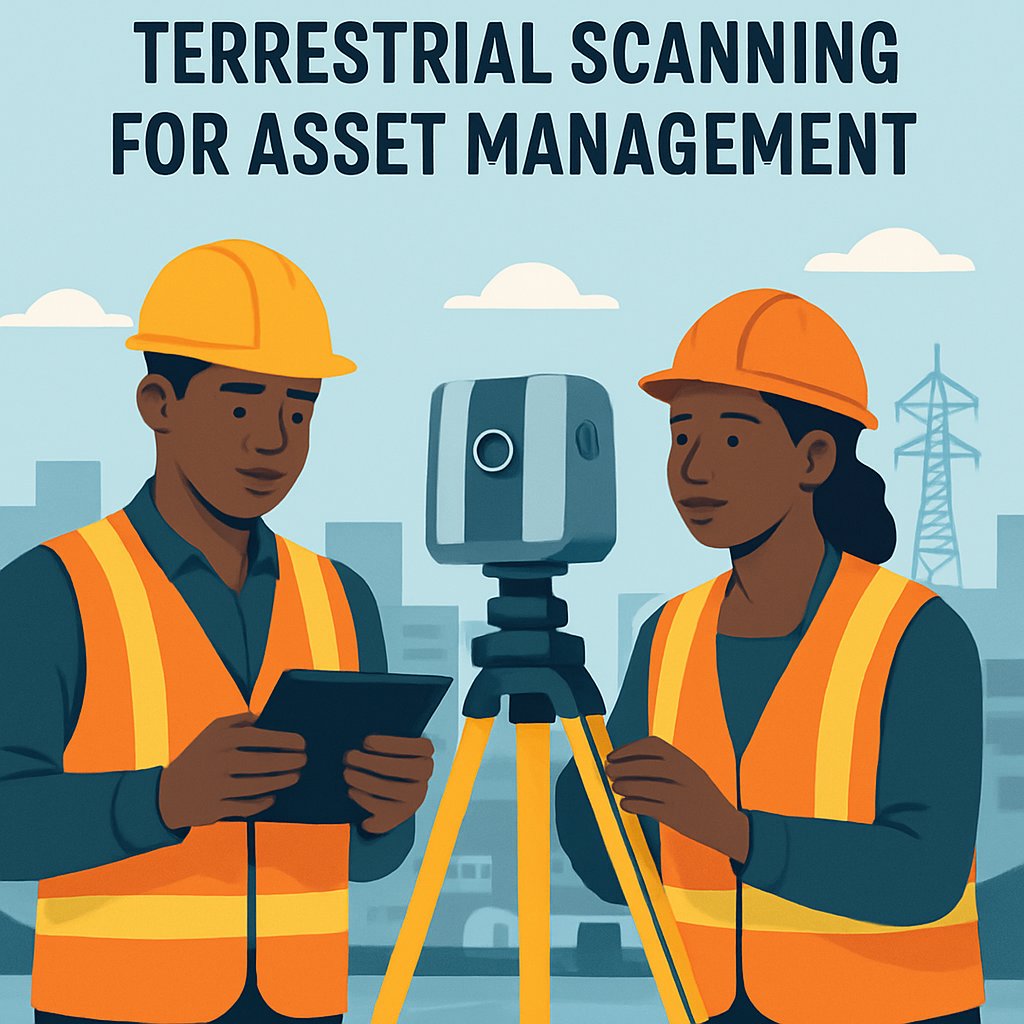
African Surveyors Terrestrial Scanning for Asset Management
African Consulting Surveyors are using terrestrial scanning to capture highly accurate 3D data for smarter asset management, faster maintenance planning, and better lifecycle decisions. For casino affiliates, this matters because it’s a strong example of how survey technology, data quality, and operational efficiency can create content angles around B2B tools, property infrastructure, and digital transformation. Understanding the workflow also helps affiliates spot adjacent opportunities in construction, facilities, and commercial real estate marketing.
What is terrestrial scanning in asset management?
Terrestrial scanning is a ground-based laser measurement method that creates precise 3D models of buildings, equipment, and sites. It helps asset managers document current conditions quickly and with far greater accuracy than manual surveying alone.
In practice, surveyors place a laser scanner on the ground or tripod, collect millions of data points, and convert them into a point cloud. That point cloud can be used to measure dimensions, detect deformation, plan maintenance, and compare “as-built” conditions against design drawings. In asset-heavy sectors like casinos, hotels, and mixed-use properties, this reduces costly surprises during renovations or compliance checks.
For affiliates, the key takeaway is that terrestrial scanning is a high-intent B2B technology topic tied to efficiency, risk reduction, and digital transformation. Those are strong content themes for commercial audiences.
Next step: map the technology to industries with large physical assets and recurring maintenance needs.
How do African Consulting Surveyors use terrestrial scanning for smarter asset tracking?
They use terrestrial scanning to build accurate digital records that support inspections, maintenance, and long-term asset planning. The process turns physical structures into measurable data that teams can analyze repeatedly.
Typically, a survey team scans key areas, processes the data into a point cloud, and then extracts measurements or models for engineers, facility managers, and project teams. This is especially useful for large properties where manual checks are slow or incomplete. For example, a casino resort can use scanning to document gaming floors, back-of-house areas, parking structures, and mechanical rooms before a refurbishment. That improves coordination and reduces downtime.
For casino affiliates, this is a useful example of how data-led services sell on outcomes: less disruption, better accuracy, and lower lifecycle costs. Content around “how it works” often converts well in B2B research journeys.
Action item: build comparison content around scanning versus traditional surveying for asset-heavy properties.
Why should casino affiliates care about terrestrial scanning and survey technology?
Casino affiliates should care because survey technology content can attract commercial-intent traffic from property, construction, and facilities audiences with higher-value lead potential.
Terrestrial scanning is not a player-facing gambling topic, but it sits in the broader ecosystem of casino infrastructure, resort development, and asset management. That creates opportunities for affiliates who publish adjacent B2B content, especially if they monetize through software, SaaS, equipment, or service referrals. Searchers looking for scanning solutions often have budgets, project timelines, and procurement authority, which can make them more valuable than general consumer traffic.
This angle also helps diversify an affiliate portfolio beyond bonuses and game reviews. In many markets, commercial property and infrastructure topics have lower competition and stronger long-tail rankings. That can be a smart hedge when consumer gambling SERPs become crowded.
Next step: identify commercial keywords tied to casinos, hotels, and property maintenance.
When is the best time to use terrestrial scanning on a casino property?
The best time is before renovations, during scheduled maintenance windows, and after any major structural change or damage event.
That timing gives operators the most useful baseline data without disrupting guests or operations. For example, scanning before a floor remodel helps teams compare existing conditions with design plans. Scanning after storm damage or equipment failure helps document issues for repair planning and insurance claims. In active casino environments, many operators prefer scans during off-hours or low-traffic periods to minimize interference with patrons and staff.
For affiliates, timing-based content performs well because it matches real buyer questions like “When should I scan a property?” or “Hey Google, when is the best time to survey a casino building?” Those voice-search phrases are ideal for featured snippets and PAA visibility.
Action item: create use-case pages organized by project stage, such as pre-renovation, maintenance, and post-incident assessment.
How much does terrestrial scanning cost for asset management projects?
Costs vary widely based on site size, complexity, deliverables, and processing requirements, but small projects can start in the low thousands while large commercial scans cost significantly more.
Pricing usually depends on how many scan positions are needed, whether the provider includes modeling or CAD conversion, and how much post-processing is required. A small interior scan for a single facility area will cost far less than a multi-building casino resort with parking, rooftops, and mechanical systems. Clients also pay more when they need BIM-ready outputs, clash detection support, or recurring survey visits.
For casino affiliates, the pricing question is valuable because it captures buyers in research mode. Content that explains cost drivers, not just a flat number, tends to rank better and convert better. It also helps qualify leads before they contact a provider.
Next step: publish cost guides that break pricing into site size, deliverables, and turnaround time.
What are the requirements for using terrestrial scanning in a commercial facility?
The main requirements are site access, a clear scanning plan, trained operators, and the right software to process and interpret the data.
Before scanning begins, the provider needs permission to access the property, identify safety risks, and determine whether the site is active or vacant. Good results also depend on line-of-sight coverage, stable scanner placement, and a defined deliverable such as point clouds, floor plans, or 3D models. In commercial facilities like casinos, coordination with security, engineering, and operations teams is often essential to avoid restricted areas and guest disruption.
For affiliates, this is a strong educational angle because it answers a practical buyer question and highlights the complexity behind the service. It also supports content targeting facility managers, developers, and survey procurement teams rather than only general readers.
Action item: include a checklist article covering access, safety, deliverables, and turnaround times.
Can I use terrestrial scanning data to improve casino property maintenance decisions?
Yes. Terrestrial scanning data can improve maintenance decisions by giving teams accurate measurements, condition records, and a repeatable baseline for comparison.
Instead of relying on outdated drawings or manual notes, facility managers can use scan data to identify wear, verify equipment placement, plan upgrades, and reduce rework during repairs. This is especially useful in casinos, where downtime is expensive and even small operational disruptions can affect guest experience and revenue. A scan of a back-of-house corridor, for example, can reveal clearance issues before new HVAC or electrical work begins.
For casino affiliates, this is a useful “can I” question because it bridges technology and business outcomes. It also creates room for content around maintenance ROI, risk reduction, and lifecycle planning, which are strong angles for commercial search traffic.
Next step: build case-study content showing scanning’s impact on maintenance efficiency and project accuracy.
Conclusion
African Consulting Surveyors show how terrestrial scanning turns complex physical spaces into actionable asset data. For casino affiliates, the bigger lesson is that high-value B2B topics like surveying, facilities, and property technology can diversify traffic and attract commercial buyers. Bankrolls.com helps affiliates track performance, simplify reporting, and optimize revenue across campaigns, so you can test niche content opportunities and scale what converts. Use it to manage your affiliate business with more clarity and less manual work. Sign up for Bankrolls today
Tags
Bankrolls AI
AI-powered content generation for casino affiliate marketing insights.